
Last updated October 15, 2026
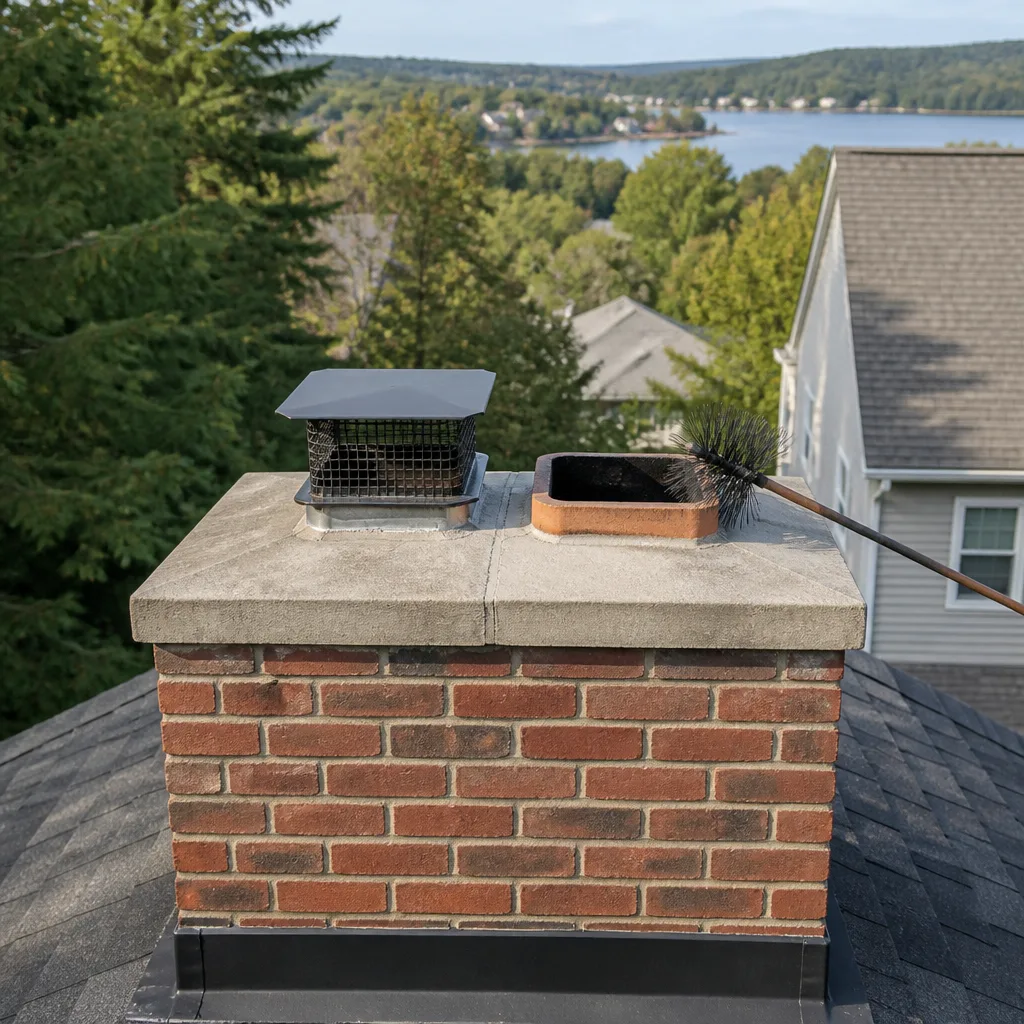 Sweep & inspection
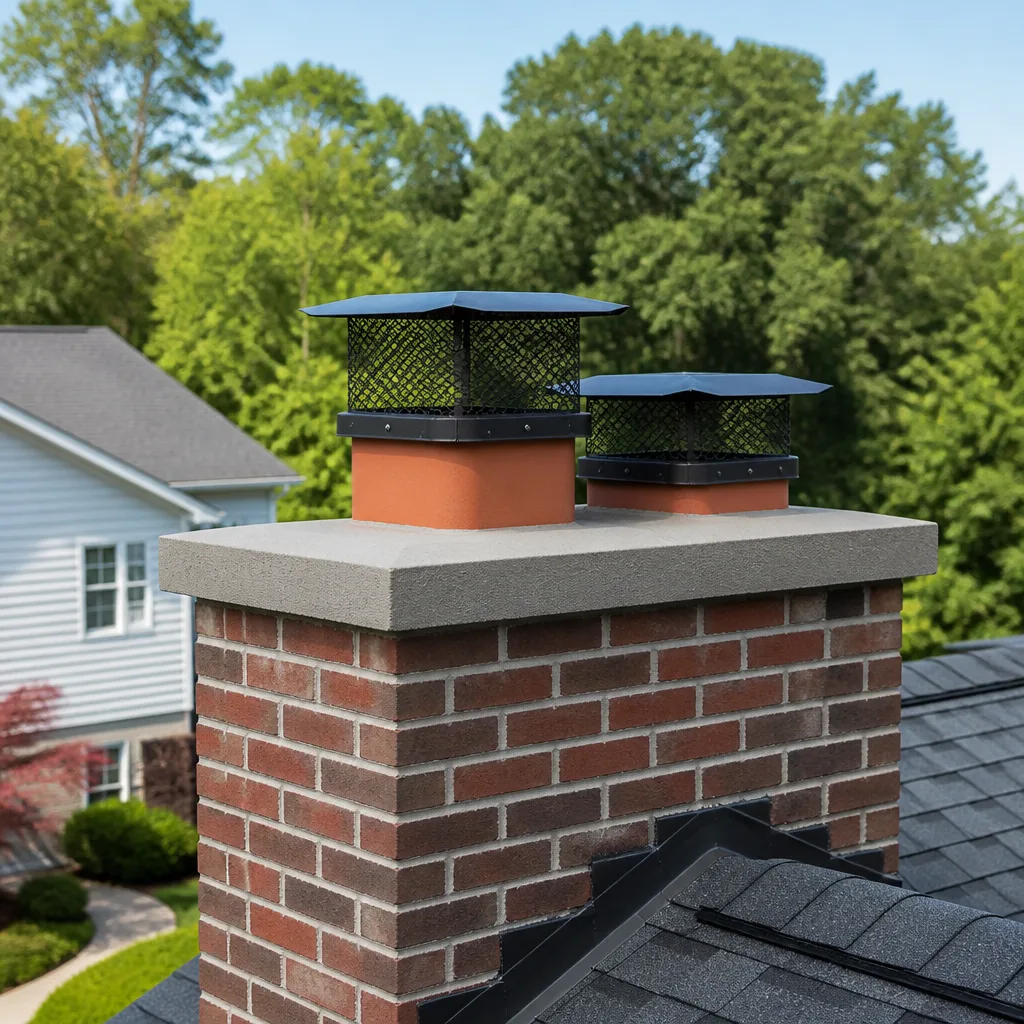 Caps & crowns
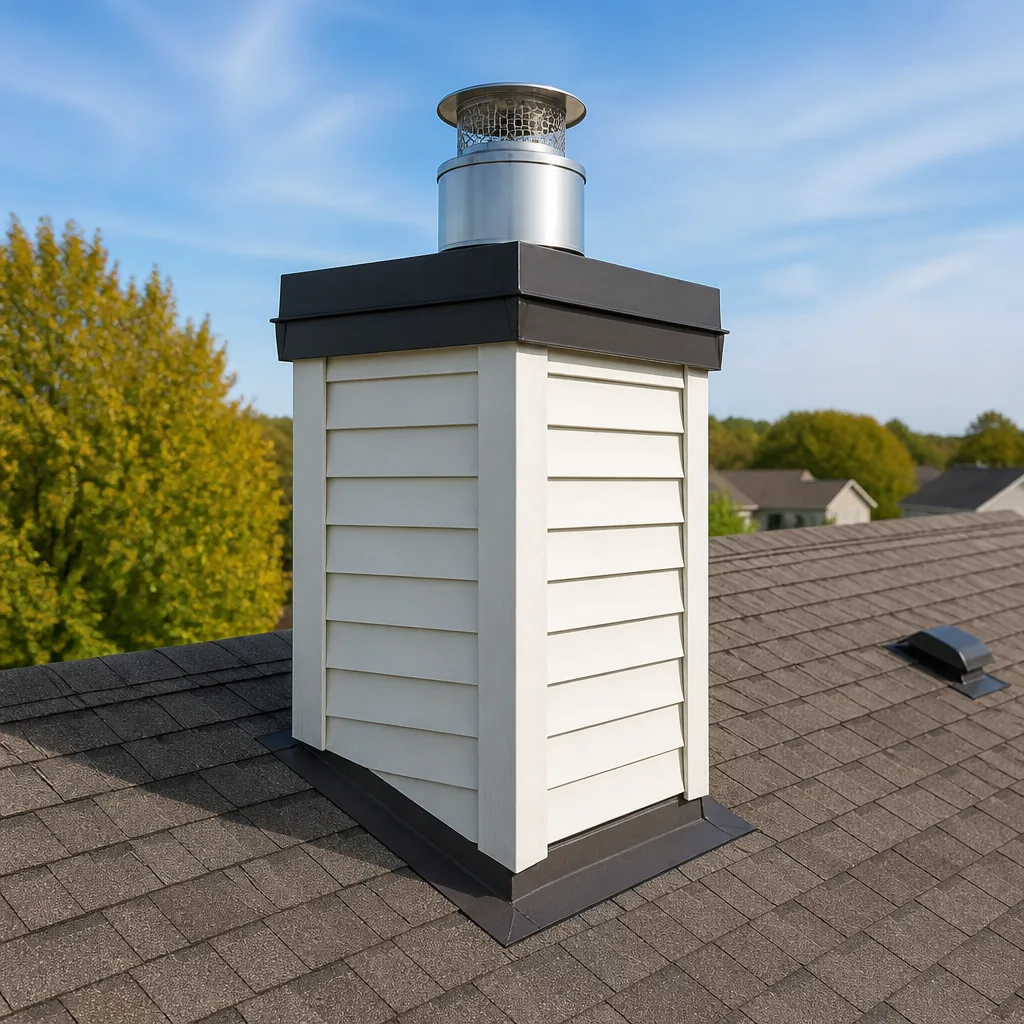 Flue relining
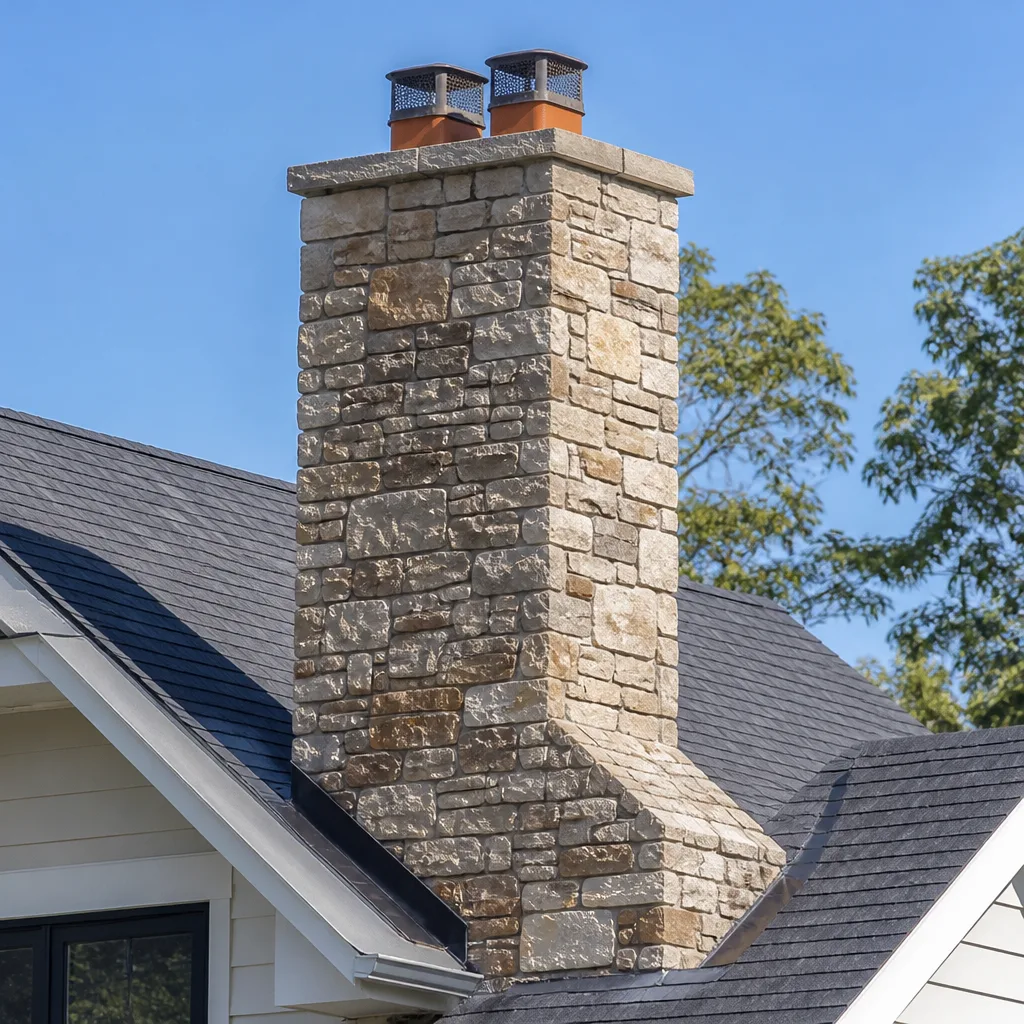 Masonry repair
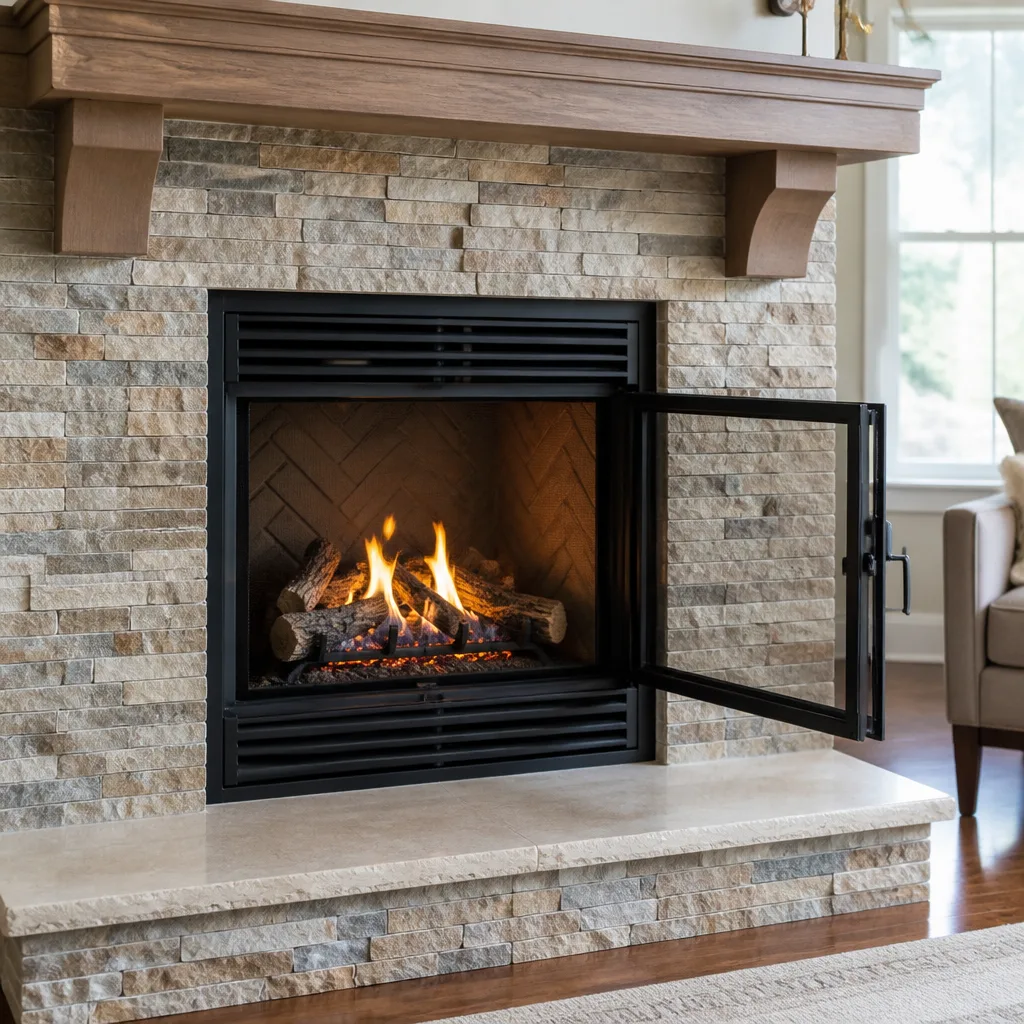 Gas fireplace service
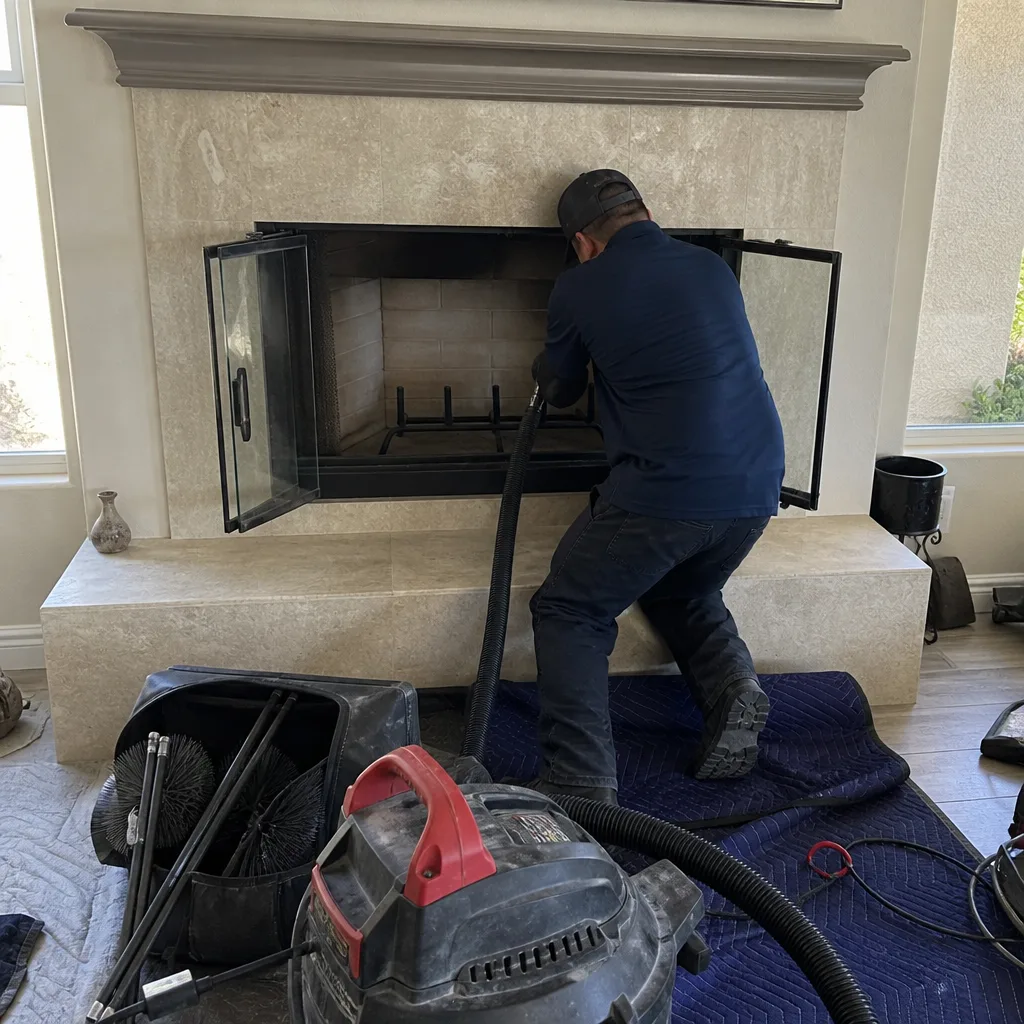
Level 1 sweep and inspection to the NFPA 211 annual standard - flue, crown, cap, and flashing checked and photographed
Chimney sweep logs do not sweep chimneys. They loosen some creosote - which then falls where a brush and vacuum still have to collect it.
Seasonal Chimney Cleaning Care for Henderson: Year-Round Homeowner’s Guide
Every national chimney guide says “schedule your sweep before fall.” In Henderson, “fall” means October, and if you wait until October to discover your cap blew off in August, you’ve already had three months of monsoon debris and wildlife inside your flue. The Mojave Desert doesn’t care what a chimney blog written in Ohio says about September. Henderson’s real chimney calendar has two critical windows, one before fire season starts and one after it ends, plus eight months of heat-and-dust dormancy that most guides skip entirely. This guide gives you a month-by-month framework that actually fits the lower Las Vegas Valley climate, from the July monsoon through the June shutdown, including what to check, what to ignore, and what costs real money if you miss it. For Chimney Cleaning Cost Breakdown: The Henderson Homeowner’s Reference for 2026, see our dedicated pricing guide.
Styles & brands we work with
Quick Answer
In Henderson, chimney care should follow two anchor points: book a sweep and inspection no later than early September so the system is ready before the first real burn in October, and do a 15-minute shutdown ritual when you stop using the fireplace in May. Between those windows, check the chimney cap and crown after every major monsoon storm from July through September, and never burn during the hottest months without first confirming the flue is clear of dust, debris, and any wildlife that moved in during dormancy.
Table of Contents
- The Henderson Chimney Calendar: Two Windows That Matter
- Monsoon Season (July – September): Debris, Water, and What to Check After Every Storm
- The Pre-Burn Window (September – October): Why This Is the Only Booking Window That Counts
- High Fire Season (October – February): Weekly Habits and What Normal Burning Looks Like
- Spring Shutdown (March – May): The 15-Minute Ritual That Prevents Most Off-Season Problems
- Summer Heat Dormancy (May – September): What 110°F Does to Mortar, Crowns, and Prefab Chimneys
- When to Book a Sweep in Henderson for the Shortest Wait and Best Price
- Common Mistakes to Avoid
- When to Call a Professional
- Frequently Asked Questions
- The Bottom Line
The Henderson Chimney Calendar: Two Windows That Matter
Henderson sits in a climate that punishes chimneys in ways a Vermont guide never addresses. We get maybe four inches of rain a year, but most of it arrives in violent afternoon bursts between July and September. We get summer highs above 110°F that bake mortar joints and chimney crowns for weeks at a time. We get winter nights in the 30s and 40s when fireplaces actually get used. And we get eight months of dry, dusty dormancy where a chimney sits unused and neglected, accumulating dust, spider webs, and sometimes rodents.
That means the national advice, sweep every fall and you’re done, doesn’t fit. The Henderson schedule that actually works looks like this:
- July through September: Monsoon watch. Check the cap, crown, and flashing after every significant storm. Look for water stains inside the firebox.
- September to early October: Book your annual chimney sweep in Henderson and inspection. This is the only window that matters before burning season.
- October through February: Burn normally. Watch for smoke backing into the room, unusual odors, or creosote buildup on the damper.
- March through May: Wind down. Do the shutdown ritual when you’re confident you won’t burn again until fall.
- May through September: Dormancy. The chimney sits in 100°F-plus heat. Check for thermal cracking once in June and once in August.
The pattern repeats every year. Miss the September booking window and you’re burning on an unchecked flue or waiting weeks for service during the busiest stretch of the year. Miss the monsoon checks and you’re discovering water damage in October that could have been caught in August. Henderson’s calendar doesn’t reward national-season thinking. It rewards two disciplined windows and light vigilance the rest of the year.
Monsoon Season (July – September): Debris, Water, and What to Check After Every Storm
Henderson’s monsoon window runs roughly from early July through mid-September, and those storms are different from anything most homeowners expect. The rain arrives fast, often with wind gusts above 40 mph, and it targets the highest points of the house first. Your chimney cap is one of those points.
Here’s what happens during a typical Henderson monsoon storm:
- Wind catches the cap. If the cap was installed with rusting hardware or was already loose from thermal expansion, a stiff monsoon gust can shift or remove it entirely. Without a cap, the flue is an open pipe to the sky.
- Debris gets driven sideways. Desert storms carry sand, palm fronds, and small branches horizontally, not just vertically. A missing or damaged cap lets that debris enter the flue directly.
- Water hits the crown. The concrete or mortar crown at the top of the chimney takes direct rain impact. If it has hairline cracks from summer heat, water seeps into the brick below.
- Flashing gets tested. The metal strip where the chimney meets the roofline flexes during temperature swings. Monsoon rain follows the path of least resistance, and loose flashing is an open invitation.
After any storm with meaningful wind or rain, do a quick check that takes less than five minutes:
- Look at the cap from the ground. If you can see it clearly, it should be sitting flush and straight. A tilted or missing cap is a problem to schedule.
- Shine a flashlight into the firebox. Look for anything that wasn’t there before: leaves, sand, birds, water stains running down the firebox walls.
- Check the ceiling near the chimney. Water intrusion at the flashing often shows up as a faint discoloration on the ceiling drywall before it shows anywhere else.
- Smell the firebox. A damp, musty odor after rain means water got in somewhere. That’s not a wait-and-see issue.
- Check the damper handle. It should open and close with moderate resistance, not stiffness or grinding. A damper that won’t fully open restricts the draft and pushes smoke into the room.
- Look at the creosote. Shine a flashlight up past the damper. If you see shiny, tar-like black deposits or thick flaky buildup more than an eighth of an inch, the flue is due for a sweep sooner rather than later.
- Watch the smoke outside. From the yard, look at what’s coming out of the chimney during a fire. Thin, transparent smoke is normal. Thick white or gray smoke means the fire isn’t burning hot enough or the flue has restricted airflow.
- Listen for unusual sounds. Popping is normal wood behavior. Metallic pinging, rustling, or flapping means something is inside the flue that shouldn’t be.
- Remove all ash. Wait at least 72 hours after the last fire to make sure everything is fully cold. Remove the ash with a metal scoop into a metal container, then vacuum the firebox with a shop vac. Ash left all summer absorbs humidity from monsoon air and becomes acidic against the firebox floor.
- Close the damper fully. This is the single most important step. An open damper all summer is an open invitation to rodents, birds, insects, dust, and 110°F air. Close it and confirm it seats fully.
- Clean the glass doors. Use a fireplace glass cleaner or a damp cloth with cool wood ash as a mild abrasive. Dirty glass bakes in summer heat and the residue becomes much harder to remove in the fall.
- Check the cap from the ground. Walk out to the street or sidewalk and look at the chimney top. The cap should be visible, straight, and intact. If it’s not visible, it may have been damaged or shifted during winter wind events.
- Note any cracks in the firebox. Look at the brick or refractory panels inside the firebox. Any new cracking that appeared during burning season is worth documenting and monitoring over the summer.
- Set a calendar reminder for early September. Put it in your phone now. “Book chimney sweep.” That’s the whole reminder. In September, you’ll be glad it’s there.
- Vertical hairline cracks running between firebricks, especially in the back wall
- Gaps between the refractory side panels and the firebox floor
- Crumbly mortar that falls out when you run a finger along the joint
- Rust-colored stains on the metal firebox walls in prefab units
- A damper that sits slightly open no matter how hard you pull the handle
- Waiting until the first cold night to book a sweep. By mid-November, Henderson chimney companies are booked out, and you’re either burning on a dirty flue or skipping fires altogether. September booking fixes this.
- Leaving the damper open all summer. This one mistake invites rodents, birds, dust, monsoon moisture, and 110°F air into your home through the firebox. Close the damper in May, every year.
- Ignoring monsoon water stains because “it’s just water.” Water mixing with creosote creates an acidic residue that eats through metal dampers and flue liners. A small stain in August is a warning, not a decoration.
- Skipping the annual inspection to save a hundred dollars. The inspection catches cracked flue tiles, damaged caps, and faulty dampers before they become repair bills. A $150 inspection that prevents a $4,000 liner replacement is not an expense.
- Burning construction lumber, paper, or trash. Pressure-treated wood, plywood, and painted lumber release chemicals that coat the flue with residues far harder to remove than standard creosote. Burn seasoned firewood only.
- Assuming a prefab chimney doesn’t need inspection. Metal chimneys fail differently than masonry, but they fail. Rust, separated joints, and damaged caps are common in Henderson prefab units older than 15 years.
- Doing your own repairs with sealant from the hardware store. Most chimney problems need more than a tube of caulk. A crown crack that gets sealed from outside without fixing the moisture inside is just hiding the problem until it gets worse.
If you find water stains or debris after a monsoon storm, don’t just dry it out and move on. Water inside the flue mixes with creosote to form an acidic slurry that corrodes metal dampers and flue liners. In our experience in Henderson, water intrusion caught in August is usually a $200 to $400 repair. The same problem discovered in November during a chimney inspection in Henderson is often a liner replacement that runs into the thousands. The monsoon season is not the time to skip the five-minute check.
The Pre-Burn Window (September – October): Why This Is the Only Booking Window That Counts
If you only do one chimney-related thing all year in Henderson, do it in September. Book your sweep and inspection before the first week of October. Here’s why this window is non-negotiable, and what Chimney Cleaning Warning Signs: A Henderson Homeowner’s Reference Guide can help you spot early.
First, the math of scheduling. Henderson chimney companies see a surge of calls starting the week after the first cold snap, which usually hits in late October or early November. That means wait times stretch from a few days to two or three weeks. If your chimney has a problem, you’re either burning on it anyway or sitting in the cold waiting for a technician. Booking in September puts you at the front of the line, keeps your technician unhurried, and gives you the full range of appointment times before the pre-holiday rush begins.
Second, the condition of the chimney after dormancy. Your flue has been sitting since May accumulating dust, potentially hosting rodents or birds, and possibly taking monsoon damage. Burning on that without an inspection is the residential chimney equivalent of starting a car that’s been sitting in a Las Vegas garage for five months without checking the oil. You might get away with it. Or you might discover a bird’s nest is now smoldering inside your flue.
Third, September is when technicians have the most time to do the job properly. A February sweep is often wedged between emergency calls for smoke backing into living rooms. A September sweep happens when the tech can take an extra 20 minutes to look at the crown from the roof, run a camera up the flue, and explain exactly what’s going on. You get better service for the same price.
Our recommendation is to book the sweep and inspection together. The sweep clears creosote and debris. The inspection checks the cap, crown, flashing, damper, firebox, and flue liner. Many Henderson homeowners skip the inspection to save money and then pay for it in February when a cracked flue tile lets heat reach the framing. Understanding Chimney Cleaning Permits, Codes & Inspections in NV: What You Need to Know helps ensure your service meets local requirements. The combined visit is the right call for most homes, especially if the fireplace hasn’t been professionally inspected in two or more years.
High Fire Season (October – February): Weekly Habits and What Normal Burning Looks Like
Once the Henderson fire season begins, usually the second or third week of October when overnight lows drop into the 50s, the chimney goes from dormant to active. That transition is where most emergency calls come from. Here’s what normal burning looks like and what signals trouble.
Normal: A fire that starts easily, draws air upward, and burns with a steady orange flame. The glass doors stay reasonably clear. Smoke goes up the chimney, not into the room. You smell wood smoke faintly outside, not inside.
Not normal: Smoke drifting into the room when you open the door to add wood. A fire that’s hard to get going or keeps dying out. A chemical smell that’s not just wood. Soot falling into the firebox. Animals sounds from the chimney. Any of these means stop burning and schedule an inspection before the next fire.
Weekly habits during Henderson’s burning season take under ten minutes:
One Henderson-specific note: our winter air is bone dry, which makes wood burn hotter and faster than it does in humid climates. That also means creosote in a Henderson chimney tends to be drier and more brittle than the gummy residue you get back east. Dry creosote is easier to remove with a sweep, but it’s also more likely to ignite if the flue gets hot enough. The annual pre-season sweep is what keeps this from becoming a problem. If you skipped September, don’t skip February, but the best time to catch up was two months earlier.
Spring Shutdown (March – May): The 15-Minute Ritual That Prevents Most Off-Season Problems
Most Henderson homeowners simply stop using the fireplace when the nights stay warm, usually sometime in April or May, and don’t think about it again until November. That transition, done carelessly, is responsible for a large share of the problems we see in the fall. The good news is that a proper shutdown takes about 15 minutes and requires no special tools.
Here’s the Henderson shutdown ritual, step by step:
This 15-minute ritual is the difference between a chimney that’s ready to go in October and one that needs pest removal, water cleanup, and a deep clean before the first fire. The families who do this every year in Henderson are the ones who rarely need emergency service.
Summer Heat Dormancy (May – September): What 110°F Does to Mortar, Crowns, and Prefab Chimneys
Henderson routinely sees summer highs above 105°F, with roof surfaces above the chimney running even hotter. That heat is not passive. It works on every component of the chimney, and it works harder on chimneys that are already older.
Mortar joints. Brick expands slightly when heated and contracts when cooled. In Henderson, the daily temperature swing between 4 p.m. and 4 a.m. can exceed 30 degrees. Over years, that cycling breaks the bond between mortar and brick, creating hairline cracks that let monsoon rain penetrate. Once water gets in, the next winter’s freeze-thaw cycle, mild as it is here, widens the cracks. Homes built before 1995 in established Henderson neighborhoods like Green Valley and Whitney Ranch are the most common places we see this.
Chimney crowns. The concrete slab at the top of the chimney is the first line of defense against monsoon rain. Summer heat causes the concrete to expand, and if the crown was poured too thin or without enough slope, it cracks. A cracked crown in the summer is a water leak in the next storm. Crown repair is one of the most common calls we get after Henderson monsoon seasons.
Prefab fireplace components. Many Henderson homes built since the 1990s have prefab metal chimneys rather than masonry. The metal flue pipe expands and contracts dramatically with temperature. Over time, the joints can separate inside the chase, which is the framed enclosure around the flue. You won’t see this from outside. What you’ll see inside the firebox is rust staining, warped panels, or a damper that no longer seats correctly. If you notice any of these during the summer dormancy, have it inspected before burning season begins.
What early thermal cracking looks like from inside the firebox:
None of these are emergencies in May. All of them should be on the list for the September inspection. The summer is the right time to notice thermal damage because it’s when the damage is happening. Waiting until October just means you’ll discover it during the busiest time of year, when scheduling is tight and prices are at their seasonal peak for any repair beyond the basics.
When to Book a Sweep in Henderson for the Shortest Wait and Best Price
If you want a Henderson chimney sweep with the shortest wait time, the most flexible scheduling, and the lowest likelihood of a rushed job, book between mid-August and late September. That window sits after the worst monsoon activity but before the first cold snap. Here’s why it wins on all three counts.
Wait times. August and September are the shoulder season for Henderson chimney companies. The cold-weather emergency calls haven’t started, and the post-monsoon repair rush hasn’t hit its peak. Most companies can get you on the schedule within a few days, not a few weeks.
Technician availability. A September technician isn’t running between four emergency calls. They have time to do the full job, take photos of the flue with the camera, explain what they’re seeing, and answer questions. A January technician might be good, but they’re also thinking about the next call waiting for them.
Price. Most chimney sweeping in Henderson runs between $180 and $340 for a standard one-flue masonry or prefab fireplace, depending on the level of creosote buildup and the time since the last sweep. Prices don’t usually swing wildly by season, but demand-driven scheduling pressure can mean the difference between getting on the calendar in two days versus three weeks. For families who want the work done before the holidays, September is the time to call.
One caveat on pricing: if your chimney hasn’t been swept in more than three seasons, or if you’ve been burning a lot of unseasoned wood, the sweep will take longer and may cost more. That’s not an upsell, it’s the reality of creosote volume. A written price before work begins should be standard practice, and you should never feel pressured to agree to a repair on the spot. Get the sweep, get the inspection report, and decide on any follow-up work with the facts in front of you.
Common Mistakes to Avoid
When to Call a Professional
Call a professional if you see water stains inside the firebox after a monsoon storm, hear animals in the chimney, notice smoke backing into the room during a fire, smell unusual chemical odors while burning, or find that your damper won’t fully open or close. These are not DIY situations. A certified sweep has the camera equipment to see inside the flue, the training to identify structural issues, and the right tools to handle creosote without spreading it through your home. Kindling Chimney Henderson offers free estimates in Henderson, and a live person answers calls 24 hours a day, 7 days a week at (775) 485-5516.
Frequently Asked Questions
Most standard chimney sweeps in Henderson run between $180 and $340, depending on the level of creosote buildup, the height of the chimney, and how long it’s been since the last sweep. If you combine a sweep with a full inspection, expect to pay a bit more, but the combined visit is usually a better value than booking them separately. Call (775) 485-5516 for a free estimate, and you’ll get a written price before any work begins.
Yes, because the problems that matter are the ones you can’t see from the living room. Cracked flue tiles, damaged caps, and rusting prefab components don’t announce themselves until they fail. An annual inspection in Henderson costs far less than the repairs it prevents, and it’s the only way to know whether your flue is actually safe to burn on. The families who skip inspections are the ones calling us in January with smoke in the living room.
If you burn regularly during the October – February season, an annual sweep is the right schedule. If you burn only a few times a year, every two years may be sufficient, but the inspection should still happen annually. The dry Henderson climate produces a different creosote profile than humid regions, but it still accumulates, and dry creosote is actually more prone to ignition than the gummy kind.
Creosote builds up on the flue walls, and since Henderson fire seasons are short and intense, that creosote can reach a thickness where a hot fire ignites it. The result is a chimney fire, which can crack flue tiles, damage the masonry, and in worst cases spread to the house. The more common outcome is performance problems: smoke backing into the room, fires that won’t draw, and foul odors. Book the September sweep and this stops being a concern. Call (775) 485-5516 to get on the calendar before the fall rush.
Yes, and it does so in ways most homeowners don’t notice until the fall. Daily temperature swings above 105°F expand and contract the mortar, concrete crown, and metal flue components. Over years, that cyclic stress causes hairline cracks that let monsoon water in. The best time to check for thermal damage is during the summer itself, looking for cracks in the firebox and rust staining on prefab panels.
Yes. Birds, rodents, and insects all use dormant chimneys as nesting sites during the hot months. The main entry point is a missing or damaged chimney cap, which monsoon winds can knock loose. If you hear rustling sounds coming from the chimney in summer, don’t try to smoke the animal out by lighting a fire. That’s dangerous and often deadly for the animal. Call a professional to remove it and repair the cap.
The Bottom Line
Henderson’s chimney calendar has two anchor points and a lot of quiet time in between. Book your sweep and inspection in September, before the October burn season and before the fall rush. Do the 15-minute shutdown ritual in May, when the last fire of the season is done. Check the cap and firebox after every monsoon storm from July through September. Watch for thermal cracking during the summer dormancy. If you do those four things, your chimney will be ready every October and safe through every burn season. Miss one of the windows and you’re playing catch-up during the busiest stretch of the year, which means longer waits and higher odds of burning on a flue that isn’t ready. The families in Henderson who follow this calendar are the ones who never have to think about their chimney in an emergency. For more guides & resources on keeping your home safe through every season, explore our blog.
For any Henderson chimney work, from spring inspections to pre-season sweeps to fireplace repair in Henderson, call Kindling Chimney Henderson at (775) 485-5516. A live person answers 24/7, and you’ll get a written price before any work begins. If you want to learn more about our broader services, start with our Kindling Chimney Henderson home page.
Written by Danny Cortes, Owner at Kindling Chimney Henderson, serving Henderson since 2003.
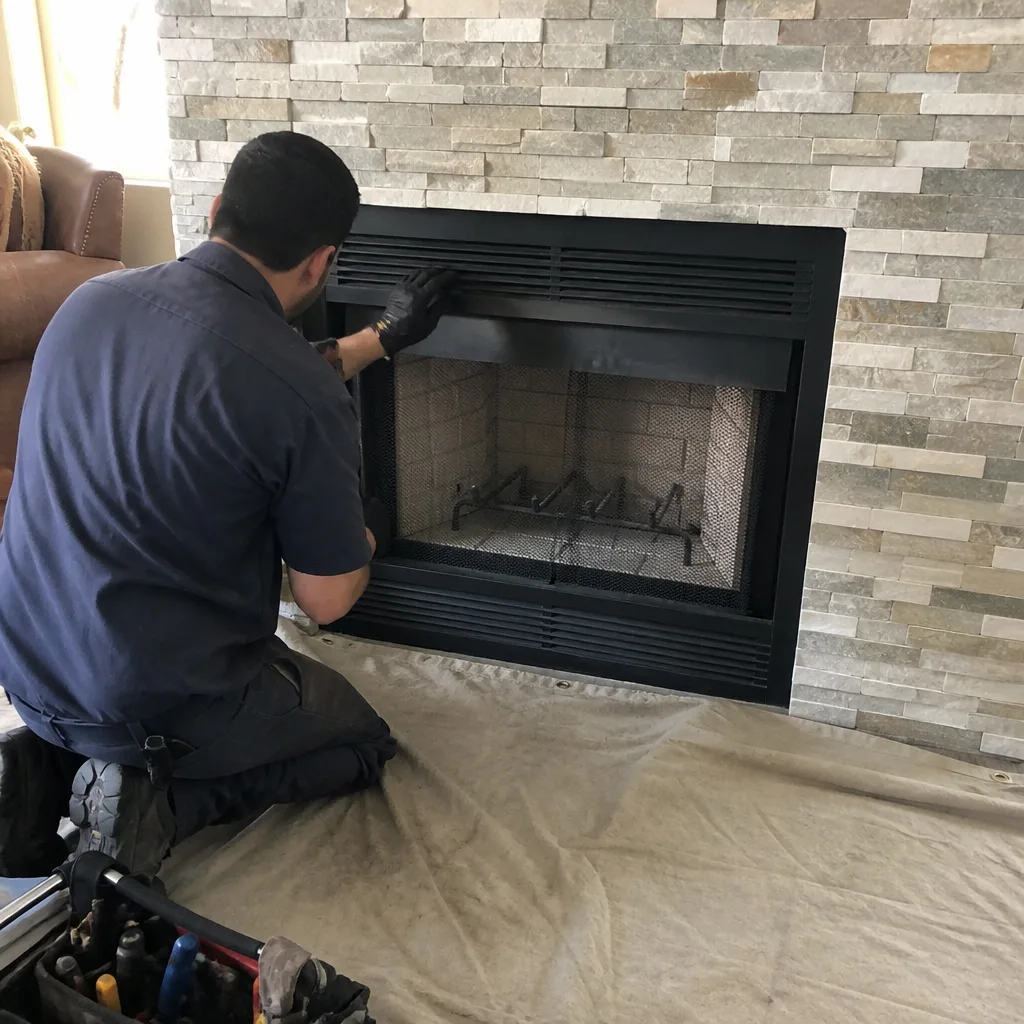
See the difference
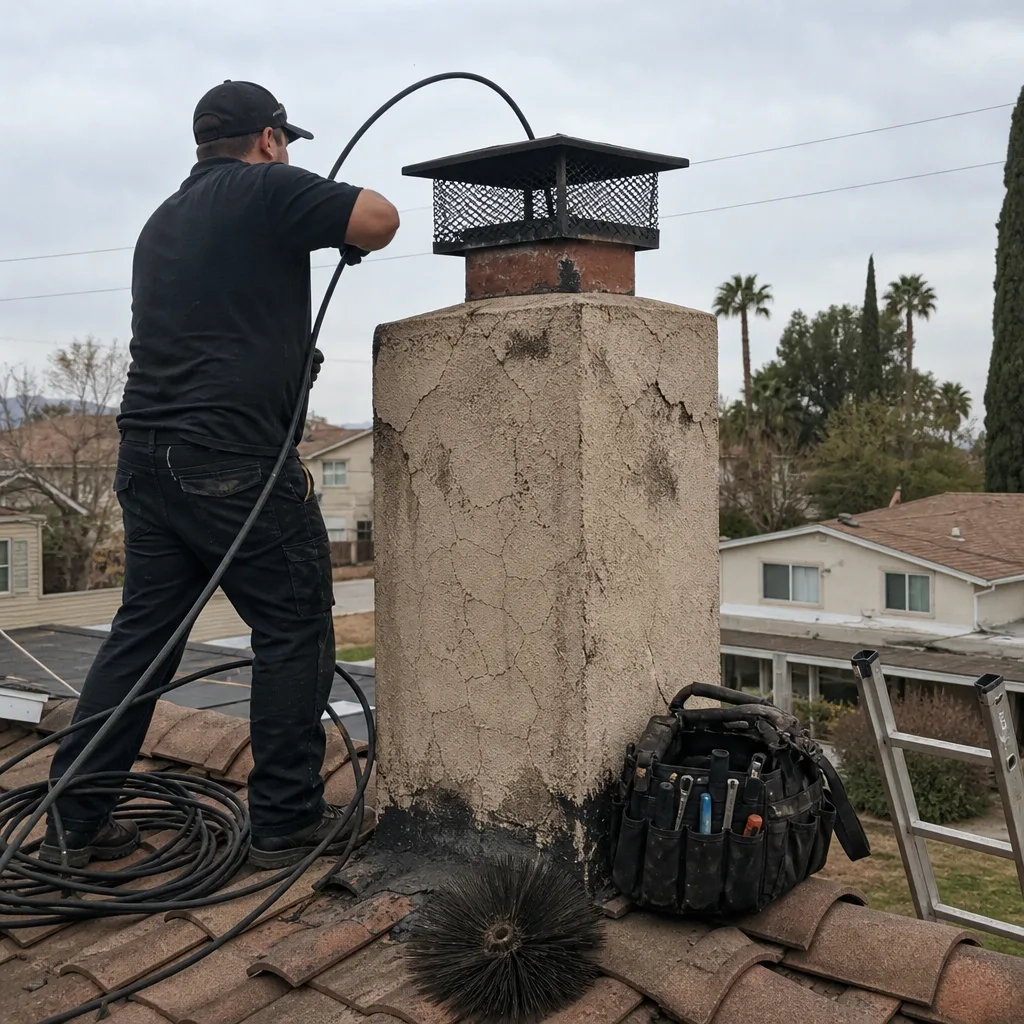 Before
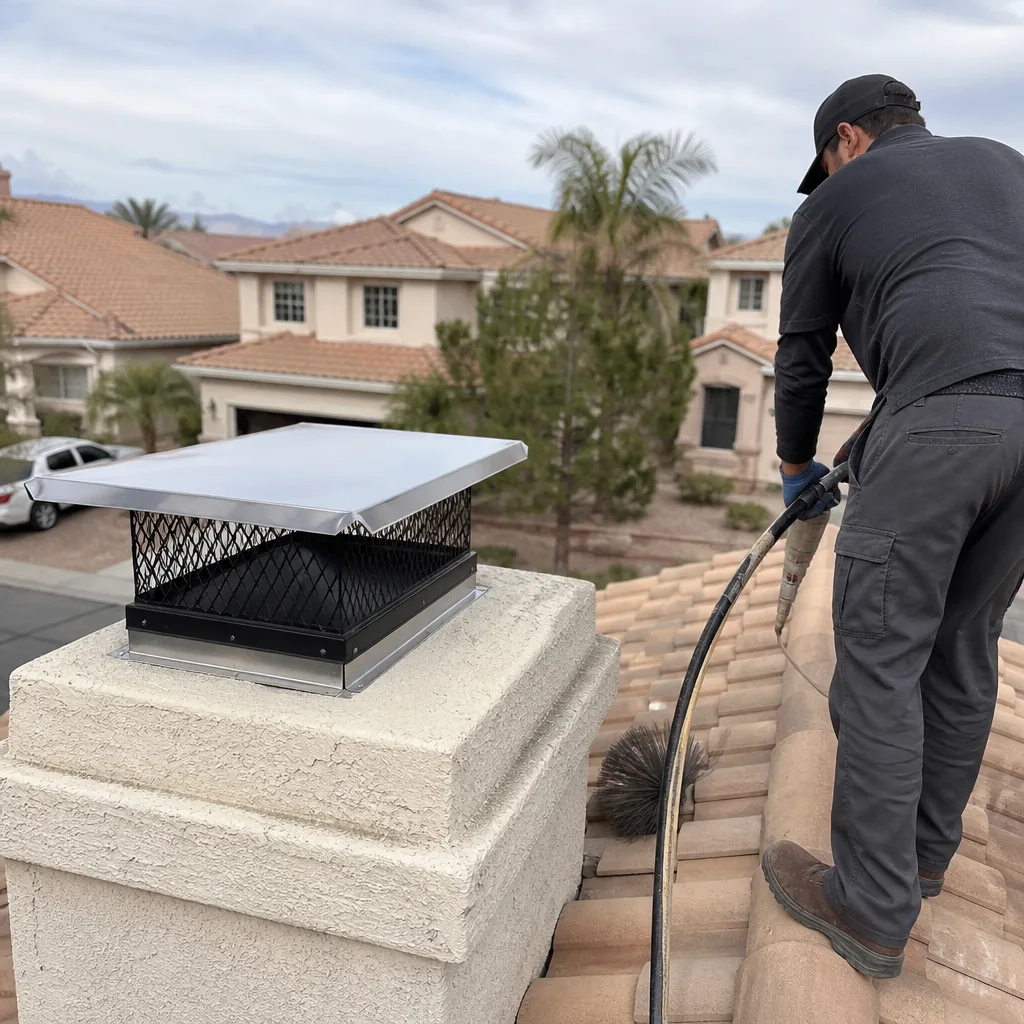 After
After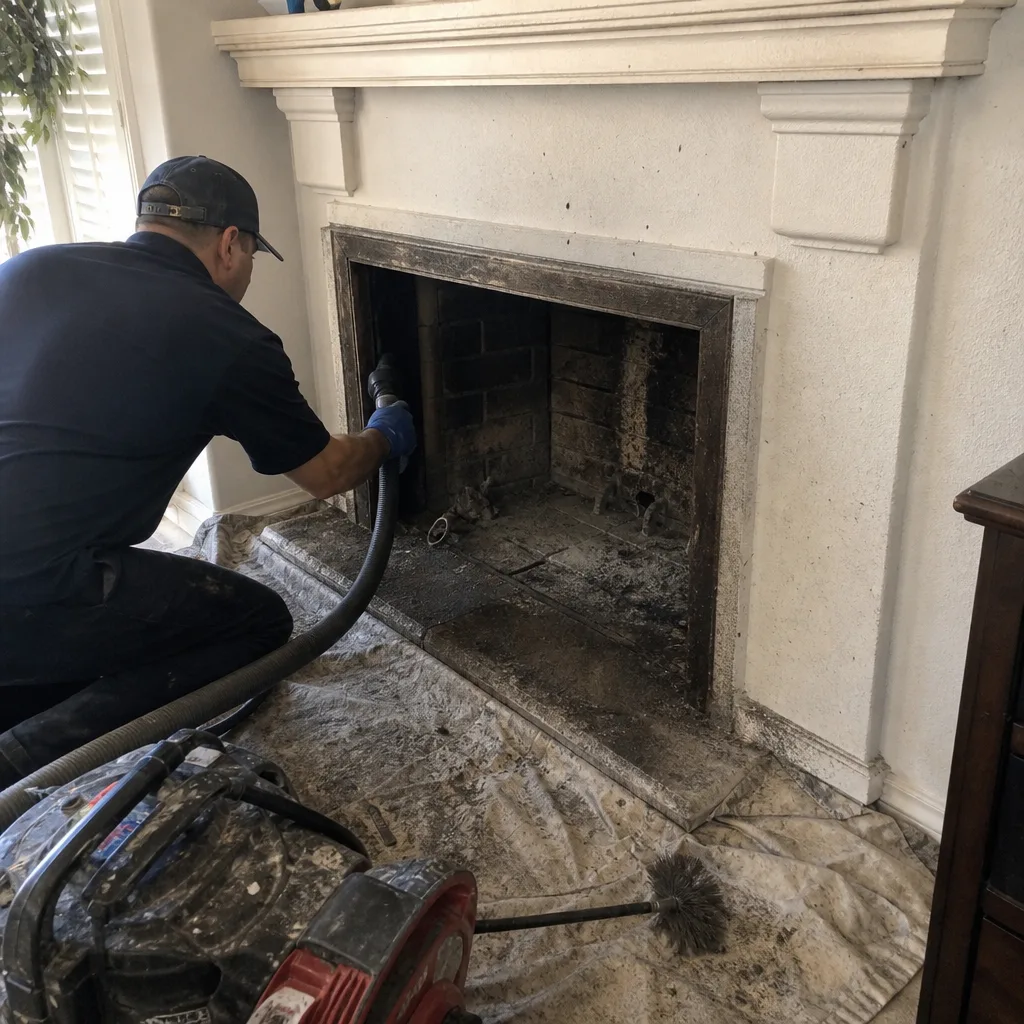 Before
 After
After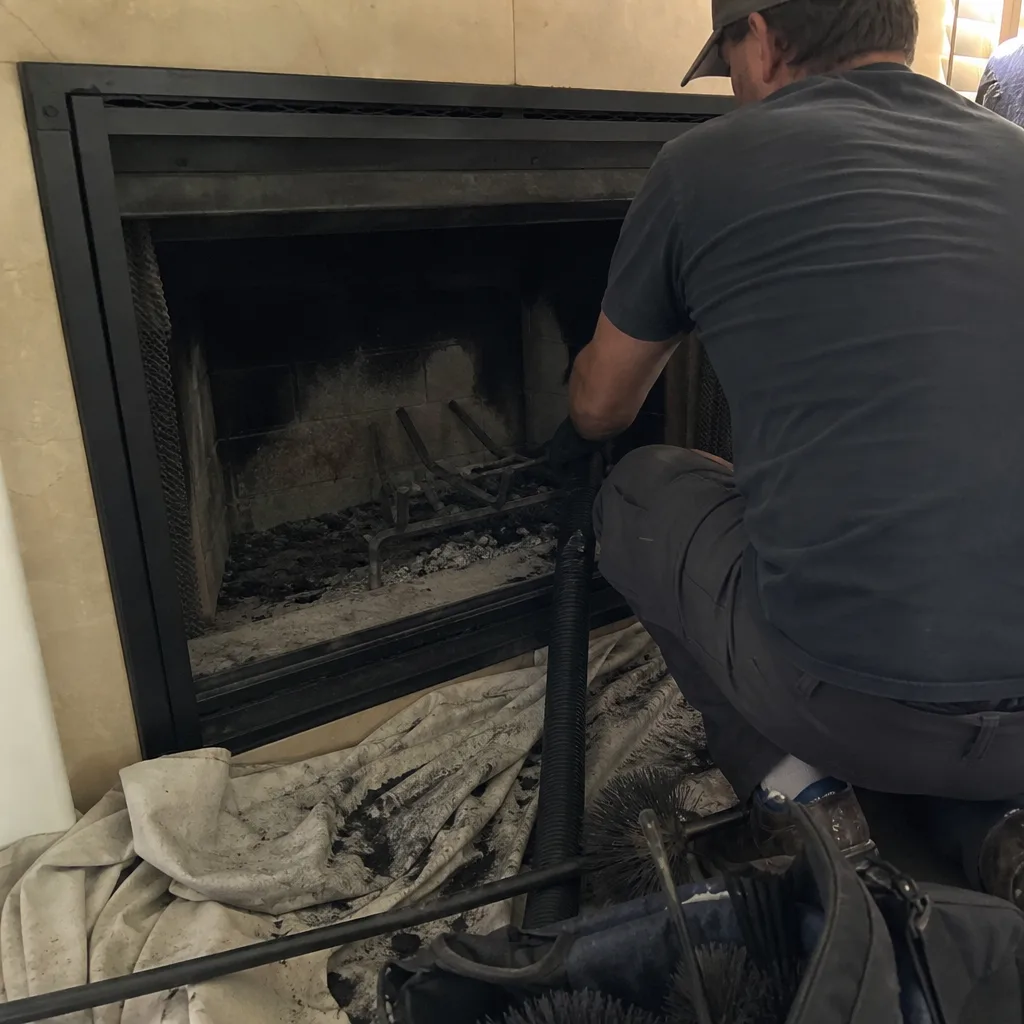 Before
 After
After