
Last updated October 15, 2026
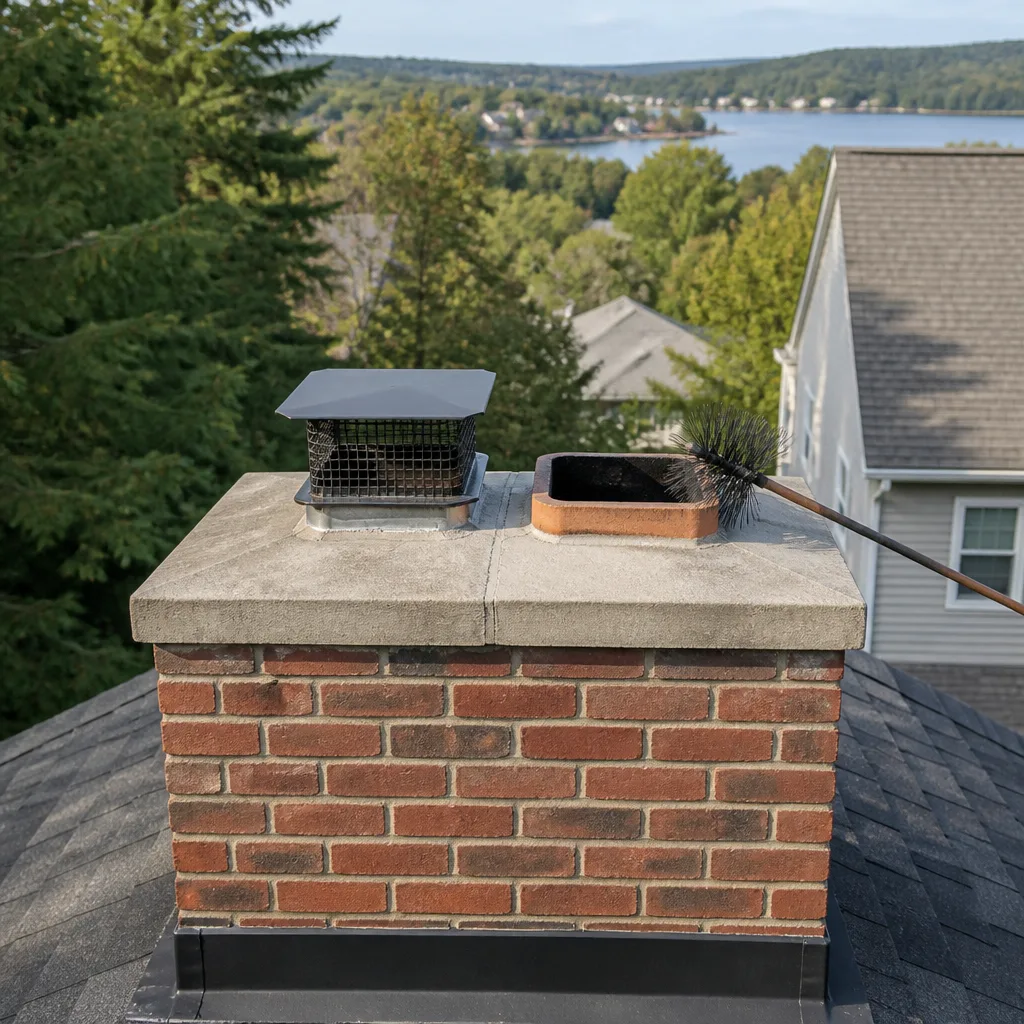 Sweep & inspection
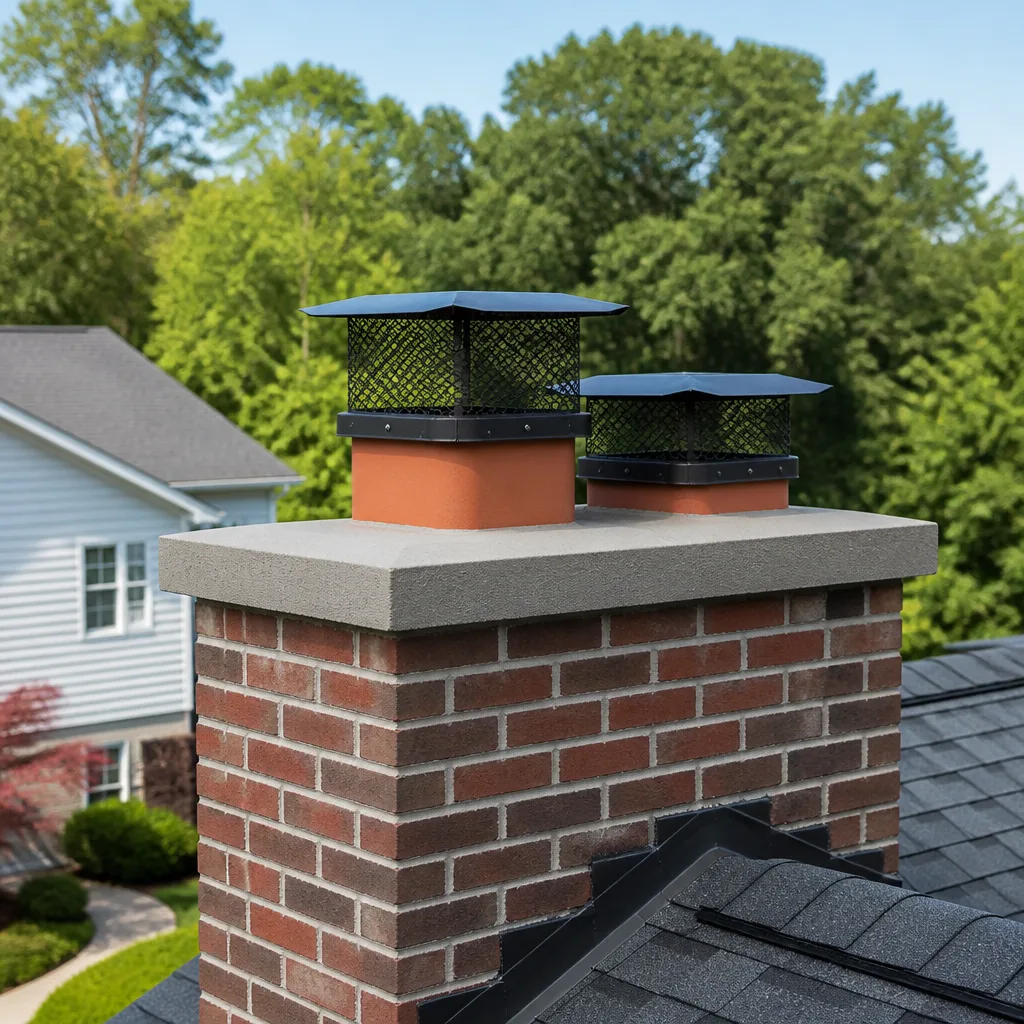 Caps & crowns
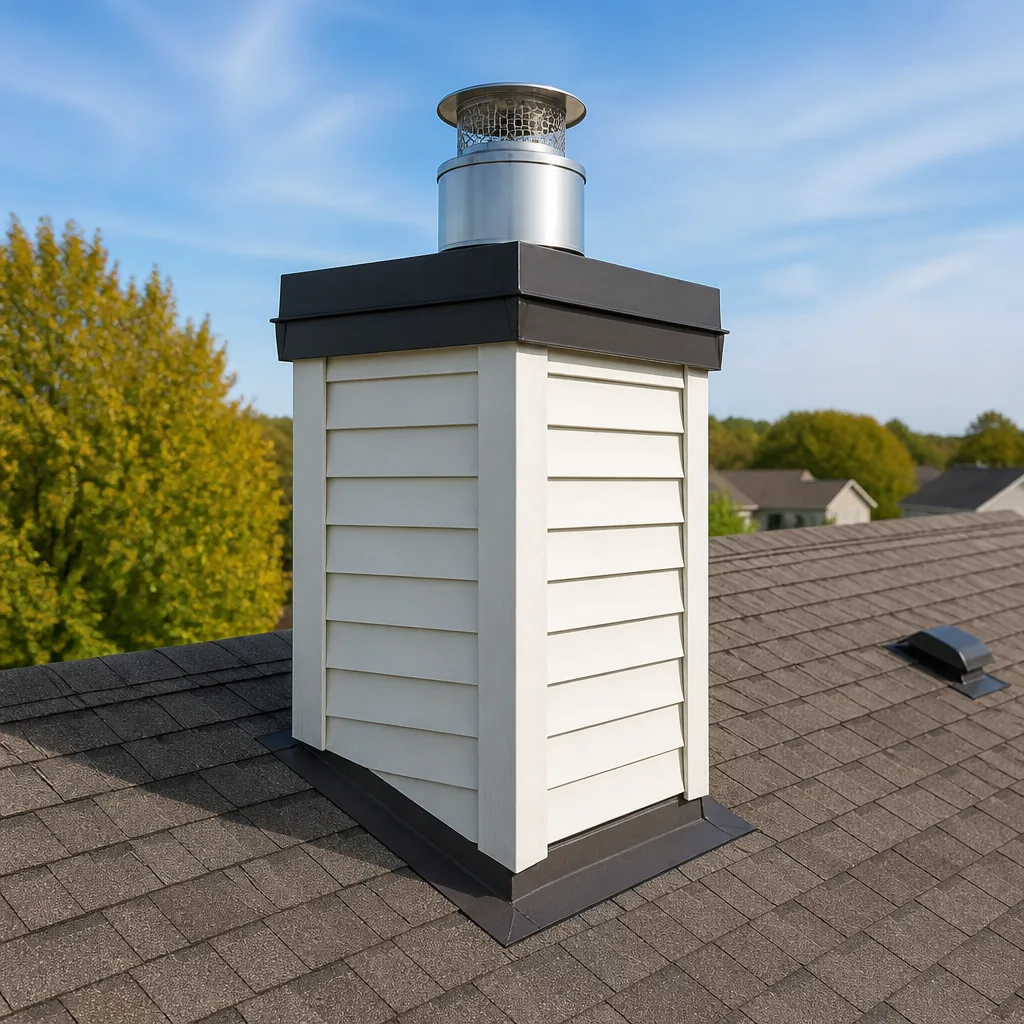 Flue relining
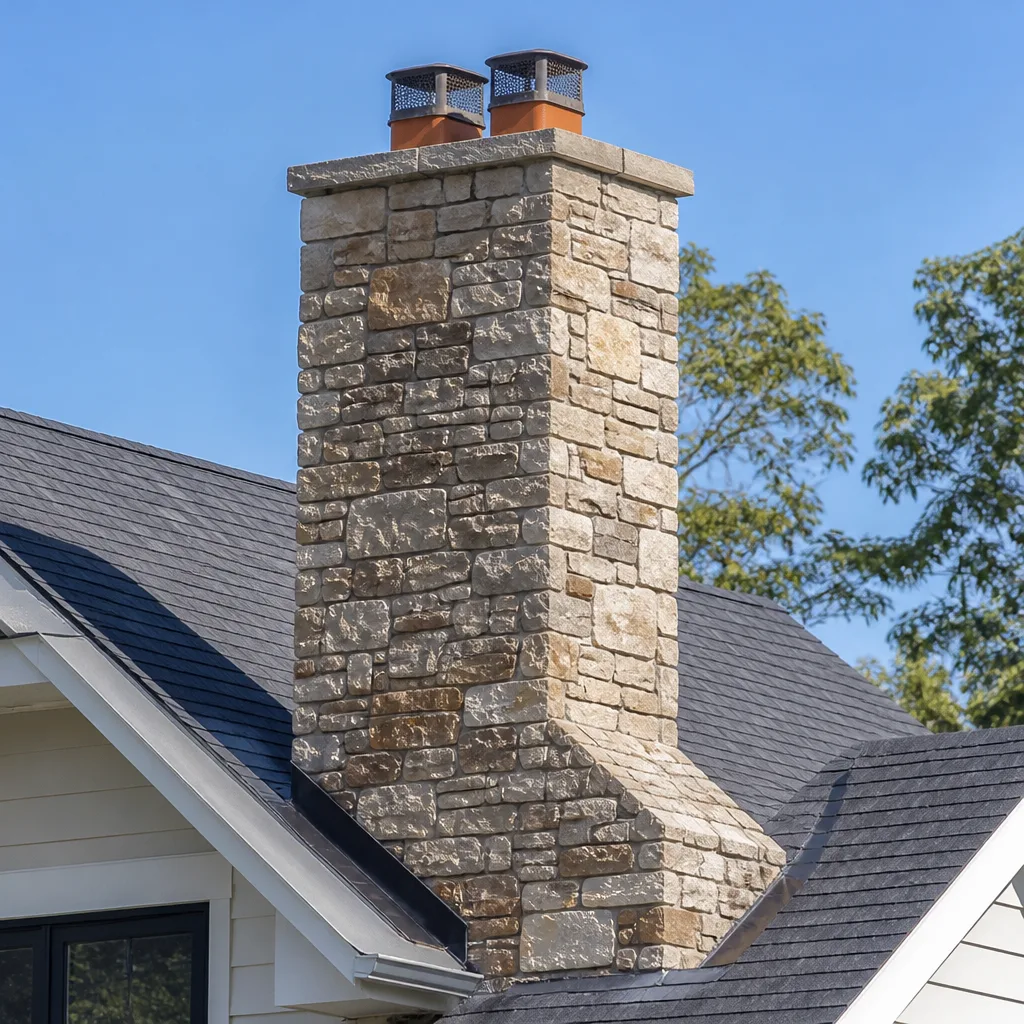 Masonry repair
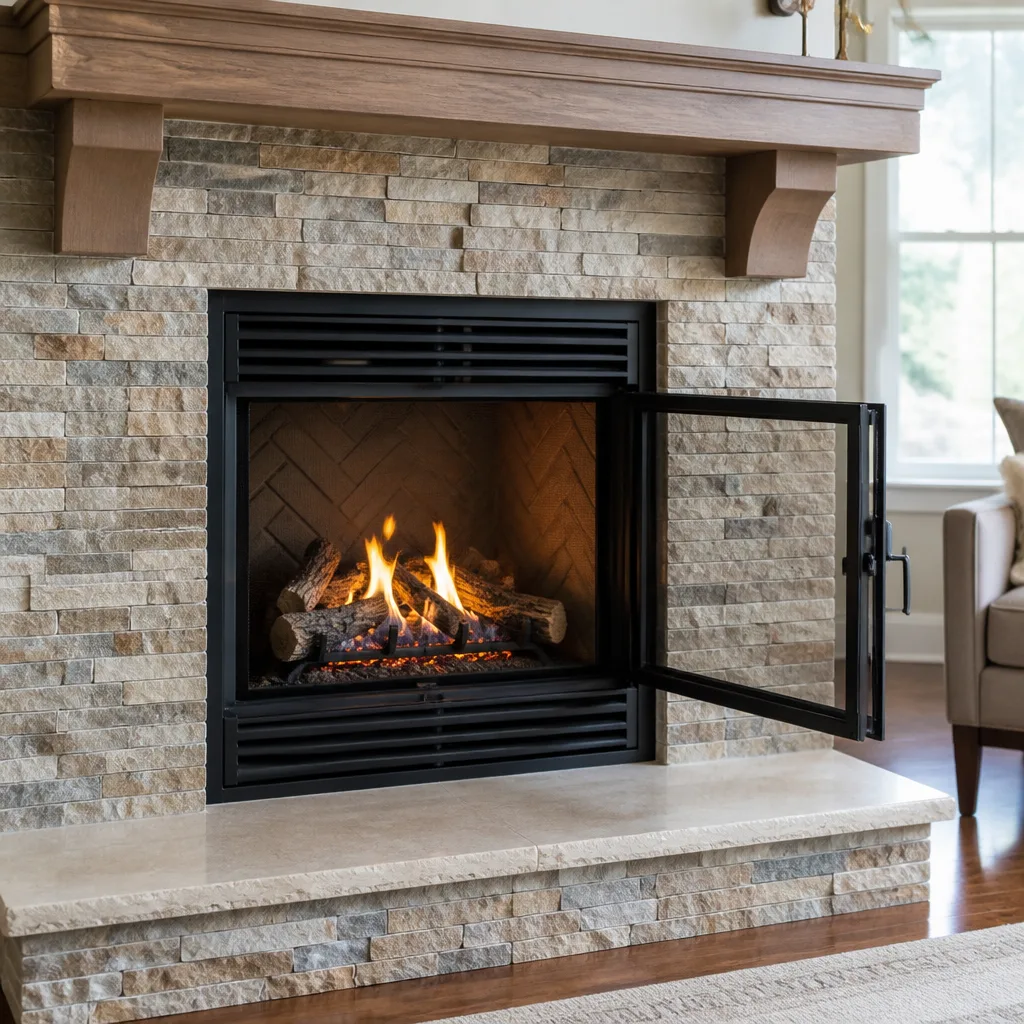 Gas fireplace service
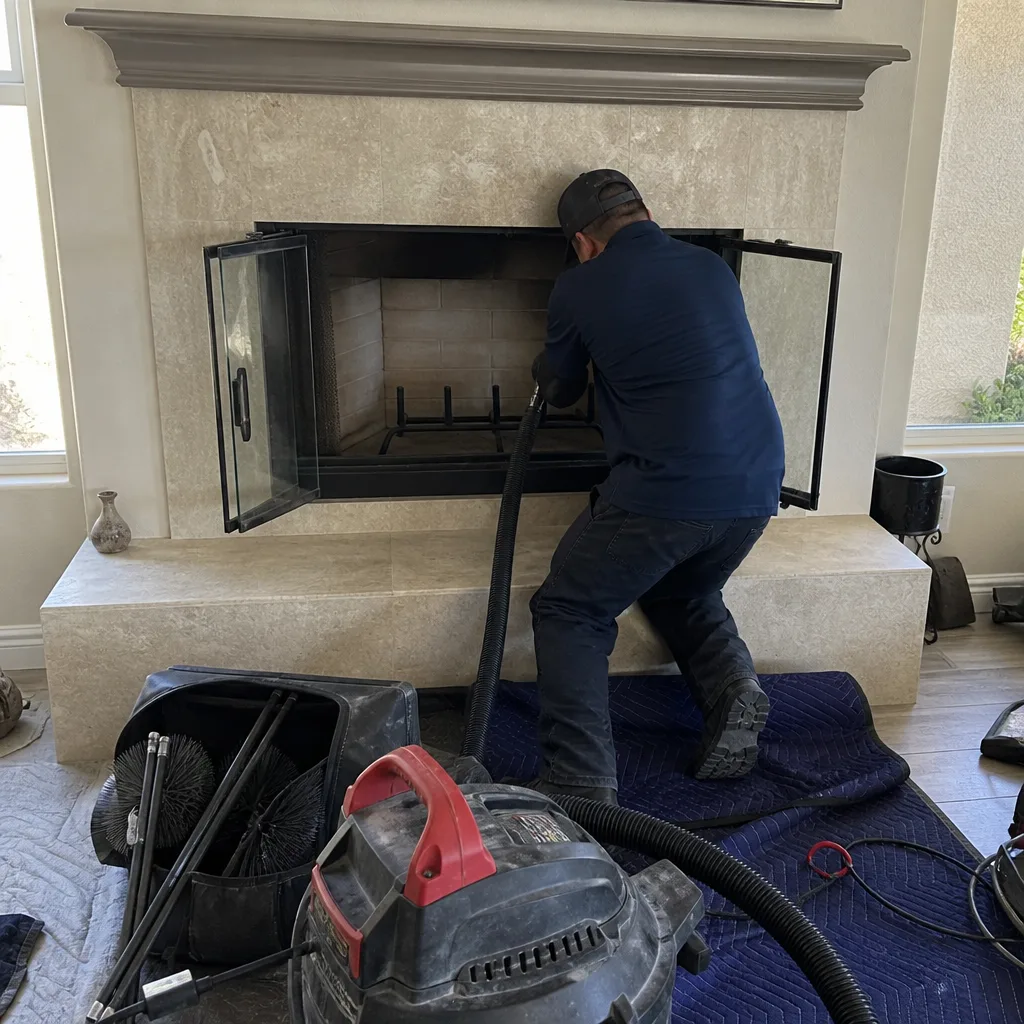
Level 1 sweep and inspection to the NFPA 211 annual standard - flue, crown, cap, and flashing checked and photographed
Chimney sweep logs do not sweep chimneys. They loosen some creosote - which then falls where a brush and vacuum still have to collect it.
Chimney Cleaning Warning Signs: A Henderson Homeowner’s Reference Guide
A chimney that smells like campfire on a hot July afternoon, when you haven’t had a fire since February, is telling you something specific about your flue’s condition. That smell is not normal, and it’s one of the earliest warnings most Henderson homeowners walk right past. This guide is built for families in Henderson who want to catch chimney problems while they’re still small, inexpensive fixes rather than waiting for the dramatic signals like smoke rolling into the living room or visible cracks in the firebox. We’ll walk you through what to check from the firebox floor without ever climbing a ladder, what different odors actually mean chemically, and which Henderson-specific warning signs to watch for that you won’t find on most generic chimney checklists.
Quick Answer
The earliest chimney warning signs in Henderson are usually odor-based, not visual. A persistent campfire or barbecue smell when the fireplace hasn’t been used in weeks signals creosote buildup or moisture trapped in the flue, while rust streaks on the damper, white efflorescence on brick, and debris type on the firebox floor are the quiet visual indicators that precede expensive repairs. If you notice a stronger smell on humid days or after rain, that’s a moisture problem, not just a dirty chimney, and you should schedule a Chimney Inspection in Henderson before lighting the next fire.
Styles & brands we work with
Table of Contents
- The Odor Decoder: What Different Chimney Smells Actually Mean
- The Five-Minute Firebox Check: Visual Warning Signs You Can Spot Without Tools
- Why “It Draws Fine” Is Not Evidence Your Chimney Is Safe
- Henderson-Specific Warning Signs: Rats, Caliche, and Stucco Cracks
- The Decision Tree: Schedule, Call Today, or Do Not Light
- What a Professional Sweep Actually Finds That You Can’t See From Below
- The Real Cost of Ignoring Quiet Warning Signs in Henderson
The Odor Decoder: What Different Chimney Smells Actually Mean
Chimney odors are not all the same, and the difference matters. In our experience sweeping hundreds of Henderson flues, most homeowners describe chimney smells in one of three ways, and each one points to a different underlying condition. Understanding the chemistry behind what you’re smelling is the fastest way to know whether you’re dealing with a routine cleaning or a moisture problem that needs attention.
The campfire smell (creosote). Creosote is the black or brown residue left behind when wood smoke cools and condenses on the flue walls. It’s composed of tar, soot, and unburned wood particles, and it has a sharp, smoky odor that many people compare to a cold campfire. When the flue heats up in summer, or when humid air moves through it after a monsoon rain, that creosote softens and releases volatile organic compounds into the room. The smell is stronger when the damper is open or when your HVAC system creates negative pressure that pulls air down the chimney. A faint campfire smell that appears only on hot days is often a sign of moderate creosote buildup, the kind a routine sweep removes. A strong, acrid smell that fills the room even with the damper closed suggests a thicker, glazed creosote layer, which burns at a higher temperature and is exactly what a Chimney Sweep in Henderson needs to assess with professional tools.
The musty or moldy smell (moisture). A damp, earthy, or basement-like odor from the fireplace almost always means water is getting into the flue or the masonry. That water can come from a cracked chimney crown, damaged flashing where the chimney meets the roof, or a missing rain cap. When water soaks into the brick and mortar, it dissolves small amounts of the masonry and creates the musty smell homeowners notice most on humid days or right after rain. This is not a smell that goes away with a cleaning, because the cleaning removes the symptom, not the source. A chemical odor that reminded one Henderson homeowner in Green Valley of wet cardboard turned out to be water pooling behind a cracked flue tile, and by the time it was found, the repair was measured in thousands of dollars instead of a few hundred.
The barbecue or garbage smell (animal entry). If the smell is more like spoiled meat, a dead animal, or old barbecue grease, and it’s coming from the firebox or the wall near the chimney, there’s a good chance a bird, roof rat, or squirrel has entered the flue or the chase. Henderson’s roof rat population is active year-round, and a chimney without a proper rain cap with side screens is an open door. Nesting material, droppings, and the animals themselves create odors that no amount of airing out will fix, and they present a real health concern for households with children and pets. Droppings in the firebox or nesting debris visible from below are signals that an animal has been living in the flue, and the chimney should not be used until it’s cleaned and capped properly.
The Five-Minute Firebox Check: Visual Warning Signs You Can Spot Without Tools
You don’t need to climb onto the roof to see most early chimney warning signs. The firebox, the damper, and the first few feet of flue visible from below tell you more than most homeowners realize. Here’s what to look for, and what each finding actually means.
- Rust streaks on the damper or damper frame. Open the damper and look up. If you see reddish-brown streaks or flaking rust on the metal, water is reaching the damper from above. The damper sits high enough in the system that rust there almost always means water is entering through the chimney cap, crown, or flashing. A damper that’s difficult to move or makes a grinding sound when operated often has rust in the hinge mechanism, which means the water problem has been ongoing, not recent.
- White efflorescence on the firebox brick or exterior chimney brick. Efflorescence looks like a white, chalky powder or crystal bloom on the surface of brick or mortar. It forms when water moves through masonry, dissolves salts inside the brick, and deposits them on the surface as the water evaporates. Inside the firebox, it’s a direct sign of water intrusion. Outside on the chimney chase or brick, it tells you water is moving through the masonry from somewhere and the freeze-thaw cycles of a Henderson winter will slowly spall the brick face over time.
- Debris on the firebox floor. Look at what’s actually sitting in the firebox. Fine gray ash is normal after fires. But if you see small pieces of brick, flakes of mortar, or small chunks of clay tile, something above you is degrading. Falling brick or mortar debris means the masonry or the flue liner is actively spalling, which is deterioration, not just wear. If the debris includes twigs, grass, leaves, or what looks like shredded insulation, an animal has been building a nest, and the material is a fire hazard sitting directly above the firebox.
- A crusty, shiny black coating on the damper or flue walls. This is glazed creosote, sometimes called third-degree creosote. It looks like a hard, glassy tar layer that’s fused to the surface. It forms when creosote is repeatedly heated and cooled without being fully removed, and it’s significantly harder to remove than the flaky, dusty creosote from a single season of fires. If you see this on the damper plate, there’s almost certainly more of it up the flue where you can’t see.
- Water stains on the ceiling or wall around the chimney chase. Step back and look at the area where the chimney passes through the house. Yellowish-brown water stains, bubbling paint, or soft drywall near the chase are signs that water from the chimney system is leaking into the building envelope. This usually means the flashing at the roofline has failed, or the chase top is rusted through, and the damage is no longer confined to the chimney itself.
None of these checks requires tools or a ladder. A flashlight and a few minutes with the damper open are enough to spot the signs early, when repairs are still straightforward rather than structural.
Why “It Draws Fine” Is Not Evidence Your Chimney Is Safe
This is the most dangerous assumption we hear from Henderson homeowners, and it’s worth explaining clearly. A chimney that draws well, meaning smoke goes up and out instead of rolling into the room, can still have significant creosote buildup, a cracked flue liner, or a partial blockage. The draft tells you the chimney is functioning aerodynamically. It tells you nothing about what’s coating the walls or whether the liner can still contain a chimney fire.
Creosote buildup does not stop a chimney from drafting. In fact, a thick layer of creosote can slightly narrow the flue and, in some conditions, actually increase the velocity of the draft, giving the impression that the chimney is working better than ever. That’s why “it’s always drawn well” is not a maintenance schedule.
The more subtle issue in Henderson is negative-pressure backdraft, and it’s a problem that has gotten worse as homes have gotten tighter. Modern windows, insulation, and weatherstripping reduce air infiltration, which means the house operates at a slight negative pressure relative to outside. When the fireplace is not in use, that pressure difference pulls air down the chimney and into the living space. That’s why you might smell campfire on a July afternoon even though the damper is closed, and why the smell gets worse when bathroom exhaust fans or the dryer is running and the house is sealed up tight. A chimney that draws fine when a fire is lit can still be drawing air down into the house all summer long. The smoke smell itself is not the main hazard; the more serious problem is that the same downdraft can pull combustion byproducts from a gas water heater or furnace back into the home if those appliances share a flue or are located near the fireplace, which is a carbon monoxide risk a visual inspection from the living room will miss.
The only way to know whether the flue is actually clean and the liner is intact is to have the system professionally inspected with the right equipment, including a camera that can see the full length of the flue. A Chimney Inspection in Henderson gives you photographic evidence of exactly what’s up there, so you never have to take anyone’s word for it.
Henderson-Specific Warning Signs: Rats, Caliche, and Stucco Cracks
Henderson has its own set of chimney warning signs that generic guides never mention. These come from the Mojave climate, the local wildlife, and the way Henderson homes are actually built.
Roof rat entry and nesting. Henderson has an active roof rat population, and chimneys without proper rain caps with side screens are essentially vertical entryways into the house. Roof rats are excellent climbers, and they use stucco textures, palm trees, and roof overhangs to reach chimney tops. Once inside, they build nests in the smoke chamber or the flue offset, and those nests are a serious fire hazard because they sit directly in the path of hot gases. If you hear scratching sounds in the wall near the chimney at night, see droppings in the firebox, or notice grease smudges along the exterior chimney wall, assume an animal has been inside. This is a “call today” situation, and the fix includes cleaning, sanitizing, and installing a proper rain cap with side screens.
Caliche dust accumulation in the flue. Henderson sits on caliche-rich soil, and the fine alkaline dust that blows across the valley in spring settles everywhere, including inside chimney flues. Caliche dust is extremely fine and adheres to creosote-coated flue walls, where it bakes on during fires and forms a hard, crusty layer that’s harder to remove than creosote alone. If your chimney produced a lot of light tan or grayish dust on the firebox floor last season, or if the first fire of the season produced a dusty smell rather than a smoky one, the flue may have a significant caliche-adhered layer that needs professional removal.
Stucco chimney chase cracking. Many Henderson homes are built with stucco-finished chimney chases, the framed structures that surround the actual flue pipe. Stucco expands and contracts with the extreme temperature swings between desert nights and summer afternoons, and over years that thermal cycling creates hairline cracks. Once cracks open, water from rare but intense monsoon downpours gets behind the stucco and into the wood framing of the chase. You’ll see the cracks first as fine vertical lines in the stucco surface, often near corners or where the chase meets the roofline. Hairline cracks that don’t widen can wait for the next routine inspection, but cracks wider than the edge of a credit card mean water has been getting in for a while, and the chase needs to be opened and checked for rot.
The Decision Tree: Schedule, Call Today, or Do Not Light
Not every warning sign requires the same urgency. Here’s a practical way to sort what you’re seeing into the right response, based on what we’ve seen across hundreds of Henderson chimneys.
Level 1: Schedule a sweep or inspection at your convenience
- Faint campfire smell that appears only on hot, humid days and goes away when the damper is closed
- Fine gray ash in the firebox with no unusual debris
- Flaky, dusty creosote visible on the damper (not shiny or crusted)
- Hairline stucco cracks on the chase exterior that haven’t widened between seasons
- You’ve burned a full season of fires and can’t remember the last sweep
These are normal-wear signs that will not get worse overnight. Book a routine Chimney Sweep in Henderson before the next burning season starts, and the technician can confirm whether anything else needs attention while the flue is open.
Level 2: Call today
- Musty or moldy smell that gets stronger after rain or on humid days
- Rust streaks on the damper or damper frame
- White efflorescence on firebox brick or exterior chimney brick
- Debris in the firebox that includes twigs, nesting material, or droppings
- Water stains appearing on the ceiling or wall near the chimney chase
- Scratching or scurrying sounds in the wall near the chimney at night
- Stucco cracks wider than a credit card edge
These signs mean water or animals are involved, and both problems compound the longer they wait. The cost difference between addressing a moisture problem early versus after a full Henderson monsoon season can be substantial, because water damage accelerates once it has a path.
Level 3: Do not light this fireplace until a technician comes
- Shiny, glassy black creosote coating visible on the damper or flue walls
- Visible cracks in the firebox brick or gaps in the mortar joints between firebrick
- Chunks of flue tile or brick that have fallen into the firebox
- A strong, acrid creosote smell that fills the room even with the damper closed
- Smoke or exhaust smell entering the room when you run the dryer, bathroom fans, or kitchen hood with the fireplace cold
- Any sign of animal nesting in the flue or smoke chamber
These conditions mean the chimney is not safe to operate until a professional has inspected, cleaned, and repaired it. Lighting a fire on top of glazed creosote or with a cracked flue liner is an active fire and carbon monoxide hazard. The good news is all of these are fixable, and most are resolved with a proper sweep and a targeted repair rather than a full rebuild.
What a Professional Sweep Actually Finds That You Can’t See From Below
There’s a limit to what any homeowner can see from the firebox, and it’s worth being honest about where that limit is. The firebox check catches maybe a third of what’s actually happening in the flue. The rest lives in the parts of the system you can’t see without cameras and roof access, and that’s where most Henderson chimney problems actually start.
The smoke chamber. Above the damper sits a chamber that funnels smoke from the firebox into the flue. Its walls are often corbeled brick, rough and uneven, and creosote accumulates there faster than anywhere else in the system. It’s almost never visible from the firebox, even with a strong flashlight. A thick creosote accumulation in the smoke chamber is one of the most common fire-starting conditions we find, and it’s invisible from the living room.
The flue liner mid-shaft. Clay tile liners crack from thermal stress, and the cracks are often hairline, running vertically between the tiles. A camera inspection is the only way to see them clearly. Cracked liner tiles allow heat and gases to reach the chimney masonry directly, which is the condition that turns a small chimney fire into a house fire. Stainless liners from brands like DuraFlex are the modern fix, and they are built to handle the flue gas temperatures that cracked clay tiles can’t.
The chimney crown and cap. The crown is the concrete slab at the top of the chimney, and it’s exposed to full Henderson sun exposure year-round. Cracks in the crown start small, widen with each freeze-thaw cycle, and allow water into the masonry that eventually reaches the firebox as efflorescence or rust. From below, a cracked crown shows up only as water damage that seems to have no source. A proper rain cap with side screening, which prevents both water entry and animal entry, is a quick fix when installed before the crown deteriorates further.
We use repair components from familiar brands like HeatShield and Copperfield when liner or crown repairs are needed, because a repair is only as good as the material that goes into it. The difference between a patch job and a fix that holds is often the quality of the component, and families in Henderson who plan to burn fires every winter should not have to re-repair the same chimney every few years.
The Real Cost of Ignoring Quiet Warning Signs in Henderson
Most chimney problems follow the same financial pattern: a small, cheap fix that becomes a large, expensive one if left alone. Understanding the cost trajectory helps explain why the quiet warning signs deserve attention even when they seem minor.
A routine chimney sweep in Henderson typically costs less than a nice dinner out for a family of four, and a sweep at the right time prevents the creosote from advancing to the glazed stage that requires specialized removal. A rain cap with side screens costs a fraction of what it costs to remove a roof rat nest, sanitize the flue, and repair the damage the animal caused. And a flashing repair caught in year one costs a small fraction of what it costs to rebuild a water-damaged chimney chase in year three. We publish written pricing before any work starts, so Henderson families never have to guess what a repair will cost or wonder if the price will change when the technician is on the roof. That’s part of the Cedarwell Care Promise, and it applies to every sweep, inspection, and Fireplace Repair in Henderson we do.
The family cost goes beyond dollars. A chimney that’s been neglected means a fireplace the kids can’t safely enjoy, a smell in the living room that guests notice, and a nagging worry in the back of your mind every time you light the first fire of the season. The whole point of a fireplace in a Henderson home is warmth and comfort, and that only works when the chimney is actually clean and the air in the room stays clean around it.
Common Mistakes to Avoid
- Assuming no smell means no problem. Glazed creosote often does not produce a noticeable odor until a fire is lit, because the hard, tar-like surface does not release the volatile compounds the way flaky creosote does. The absence of smell tells you nothing about what’s on the flue walls.
- Using so-called chimney cleaning logs as a substitute for sweeping. These logs are designed to reduce creosote, but they do not remove it, and they cannot address blockages, animal nests, cracked liners, or moisture problems. A burned cleaning log often leaves a layer of loosened creosote that still needs to be mechanically removed.
- Closing the damper and forgetting the chimney for the season. A closed damper traps humidity in the flue, and Henderson’s humidity spikes after monsoon rains accelerate creosote softening and odor release. A closed damper is not a seal, and it does not prevent the slow air exchange that pulls chimney odors into the home.
- Painting over efflorescence or water stains without fixing the source. Cosmetic fix-ups hide the warning sign but do not change the water moving through the masonry. The problem continues behind the paint, and by the time it reappears, it’s usually more extensive.
- Burning manufactured logs or wet wood all season and thinking it’s fine. Manufactured logs and unseasoned wood produce residue that is not identical to dry hardwood creosote, and some of those residues bind to caliche dust in ways that make them unusually hard to remove without professional tools.
- Waiting until the first cold snap to book a sweep. Henderson’s burning season starts predictably, and every chimney company’s schedule fills up at the same time. Booking a sweep in late summer or early fall means you can choose a time that works for your family instead of taking the first available slot during the rush.
See the difference
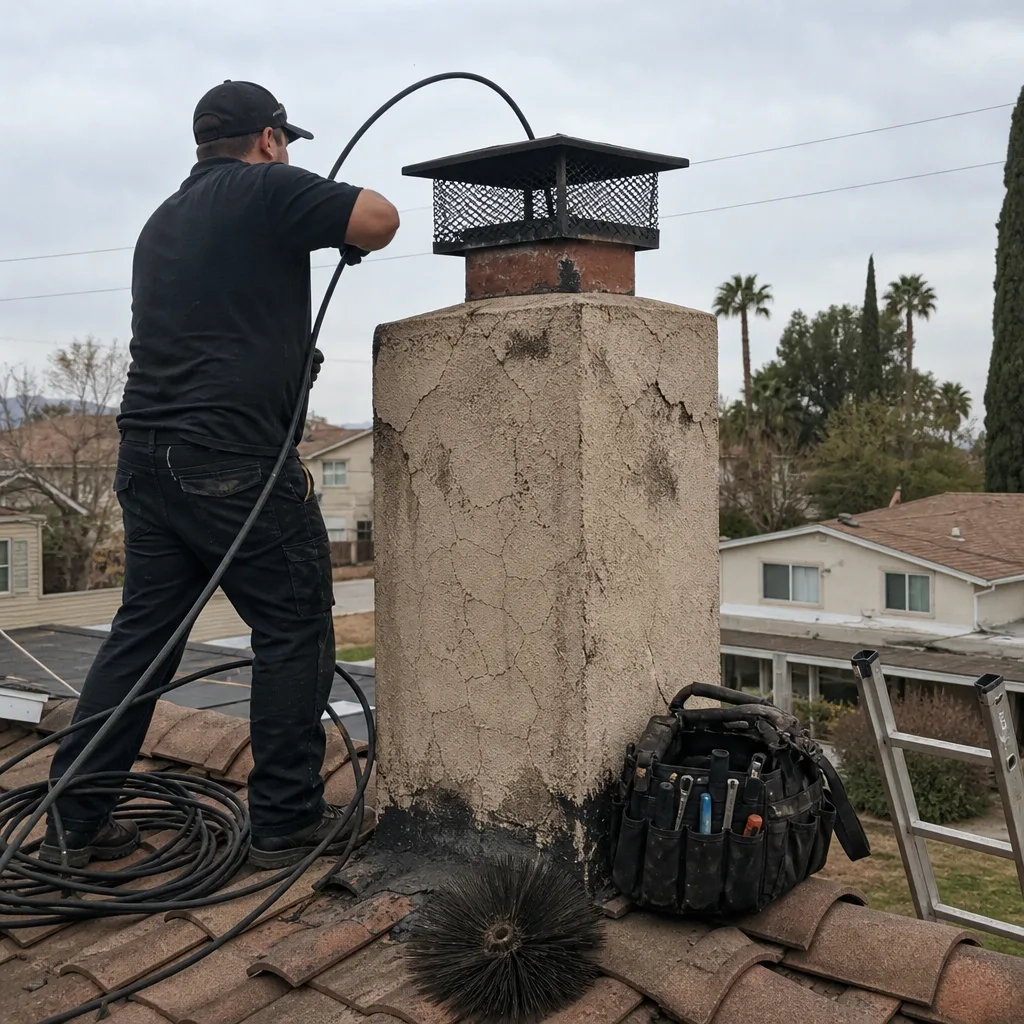 Before
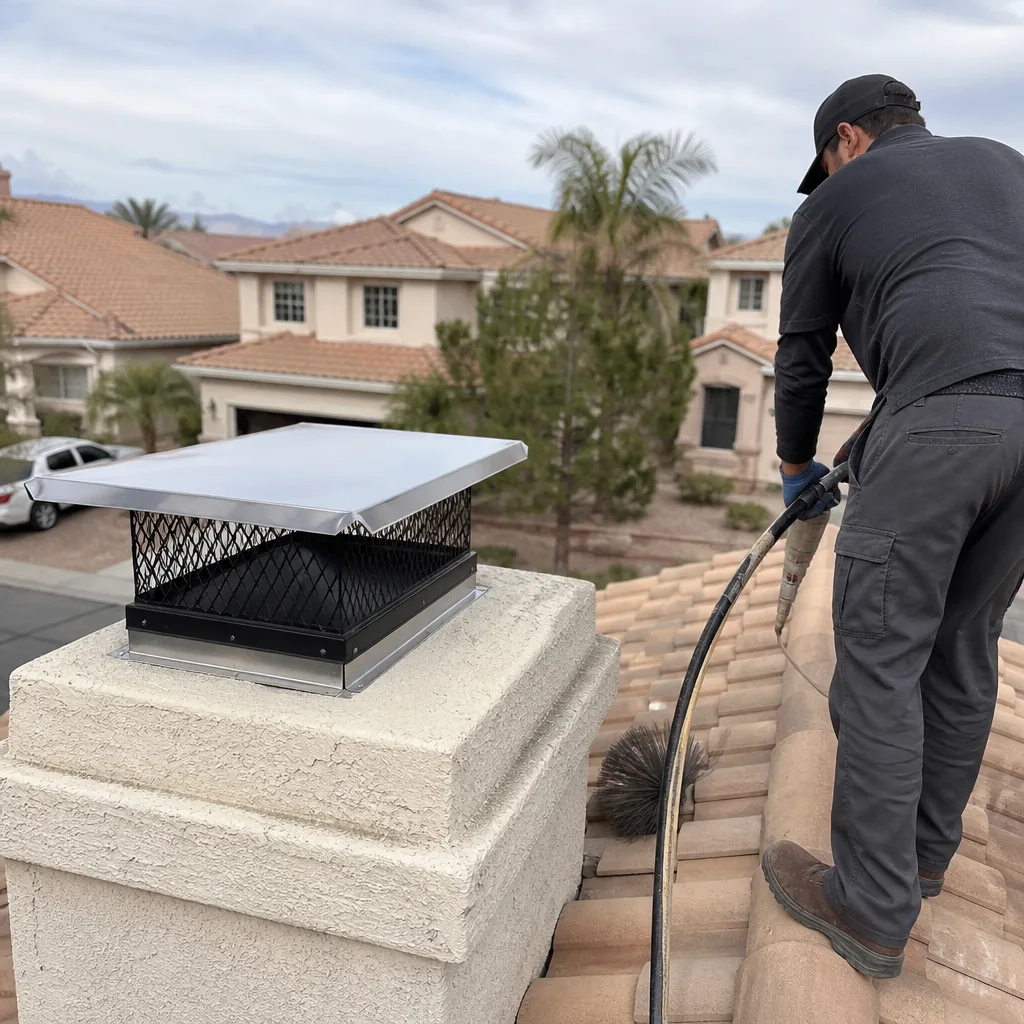 After
After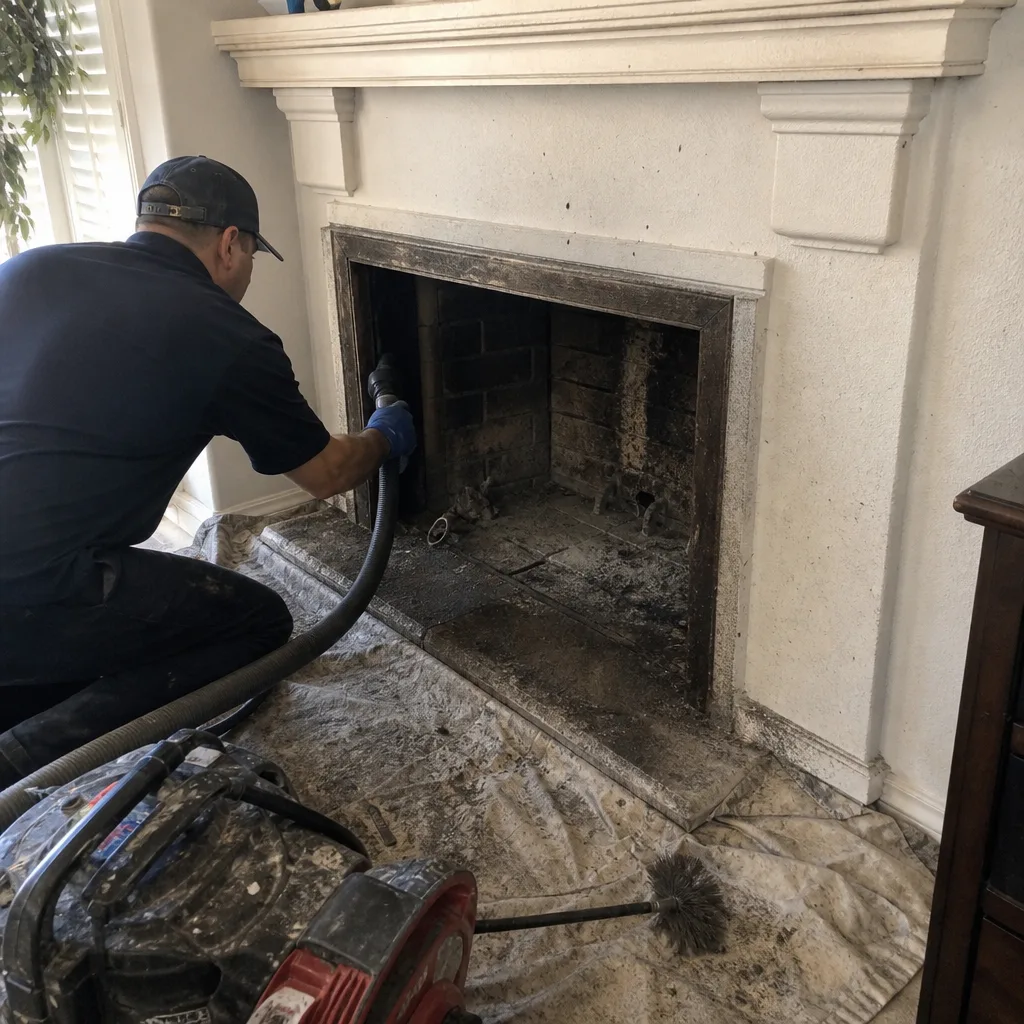 Before
 After
After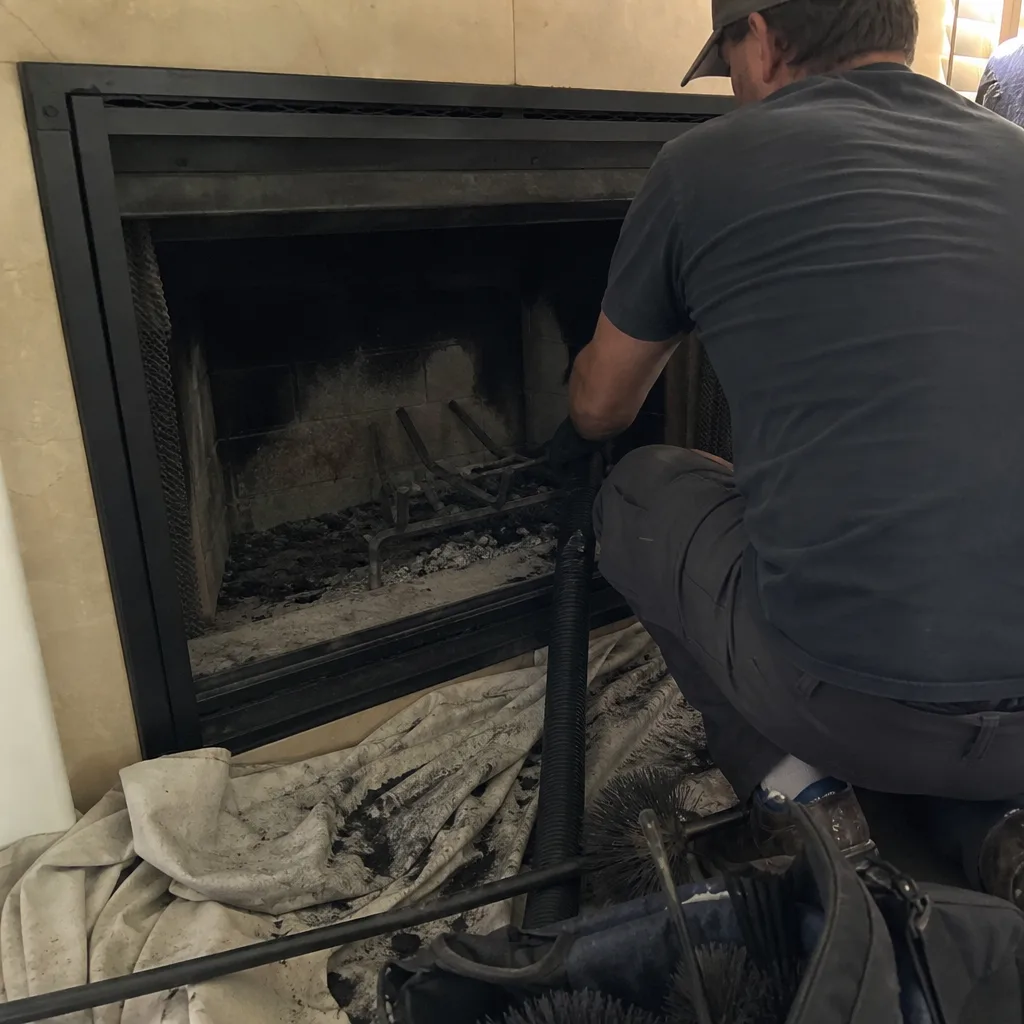 Before
 After
AfterWhen to Call a Professional
If you’ve seen any of the Level 2 or Level 3 warning signs above, the time to call is now, not when the burning season starts. A professional sweep in Henderson removes what you cannot see, and a camera inspection gives you visual proof of what’s actually up there, which means you never have to rely on anyone’s verbal assurance. Families with kids and pets are right to care about how a chimney sweep is done inside the home, and that’s where the Cedarwell Care Promise comes in: shoe covers and drop cloths go down before any work starts, pet-safe products are used where there’s a choice, and a photo of the clean-up is taken before the crew leaves. Kindling Chimney Henderson offers free estimates in Henderson, and a live person answers the phone 24 hours a day, 7 days a week. Call (775) 485-5516 and we’ll walk you through what you’re seeing and what the next step should be. You can also start with our Kindling Chimney Henderson home page if you want to understand more about how we work before you pick up the phone.
Frequently Asked Questions
A summer chimney smell is almost always creosote releasing volatile compounds when humidity rises, and it’s often made worse by negative air pressure in the house pulling air down the chimney. The smell is a sign that creosote is present on the flue walls, and in Henderson, it is especially common after monsoon rains raise the indoor humidity level. A sweep removes the creosote that’s causing the odor, and we can tell you after the inspection whether the smell also points to a moisture problem that needs a separate fix. Call (775) 485-5516 for an exact quote on a sweep, and we’ll tell you what we expect to find before any work starts.
A standard chimney sweep in Henderson typically runs between $180 and $340 depending on the flue height, the amount of creosote, and whether any animal nesting or blockages need extra attention. The price is always written and agreed to before any work starts, so there’s no surprise when the crew arrives. If the inspection turns up something beyond a routine sweep, you’ll see the camera evidence and get a separate written price for that repair, with no pressure to commit on the spot.
Yes, and you should, because the five-minute firebox check catches real problems early. Look for rust on the damper, white efflorescence on brick, debris in the firebox, and shiny black creosote on the damper plate, all of which are visible with a flashlight from the living room. What you cannot see from below is the condition of the flue liner mid-shaft and the chimney crown, which is why a camera inspection is the only way to get a complete picture.
The standard recommendation is once per year for fireplaces that burn a full season of wood, and that holds true in Henderson even though the burning season is shorter than in colder climates. The Mojave’s caliche dust and roof rat activity add local reasons to keep a regular schedule, because both conditions compound creosote problems between burns. If you burn manufactured logs or use the fireplace mostly for occasional ambience fires, a professional inspection can tell you whether you can safely stretch the interval.
Hairline stucco cracks that don’t widen are often cosmetic, but cracks wider than a credit card edge mean water has been getting behind the stucco, and that water rots the wood framing of the chase. Henderson’s thermal swings between hot afternoons and cold desert nights expand and contract stucco enough to open cracks over time, and monsoon rain finds those cracks fast. If the cracks are wide or accompanied by water stains inside, call for an inspection before the rot spreads.
We understand the instinct to save money, but chimney sweeping involves climbing onto a roof, using specialized brushes and rods, and knowing what a flue should look like when it’s clean, and the risk of injury and missed problems is too high to recommend it as a DIY job. More importantly, a professional sweep includes a camera inspection that documents the condition of the liner and smoke chamber, which a homeowner with a brush from the hardware store simply cannot do. For families in Henderson, a professional sweep is not just about clean, it’s about actually knowing the chimney is safe for the next season.
The Bottom Line
Henderson chimneys speak quietly before they fail loudly. The smell of a cold campfire in July, a streak of rust on a damper, a few grains of brick dust in the firebox shelf, the scratch of a roof rat in the wall near the chimney chase, these are the signals that matter. Learn to read them, and you’ll catch problems while they’re still small. The alternative is discovering the damage when the monsoon arrives, when the fire won’t draw, or when a camera finally shows you what’s been building for years. A clean chimney means a fireplace your family can actually enjoy, with no smell drifting through the house and no worry when you light the first fire of the season. If you’ve spotted any of the signs in this guide, or if you simply want the certainty of a camera-backed inspection, call (775) 485-5516 and we’ll give you a straight answer and a written price before any work begins.
Written by Danny Cortes, Owner at Kindling Chimney Henderson, serving Henderson since 2003.