
Last updated October 15, 2026
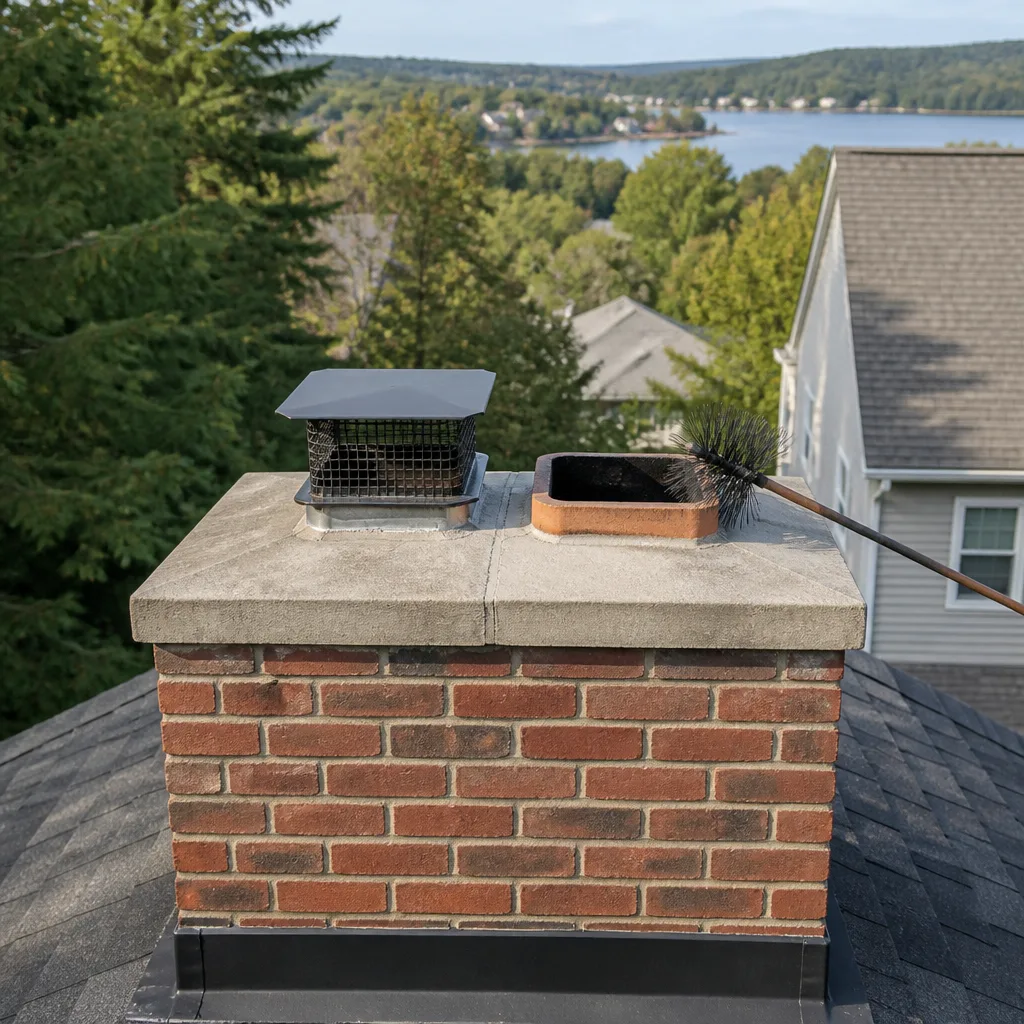 Sweep & inspection
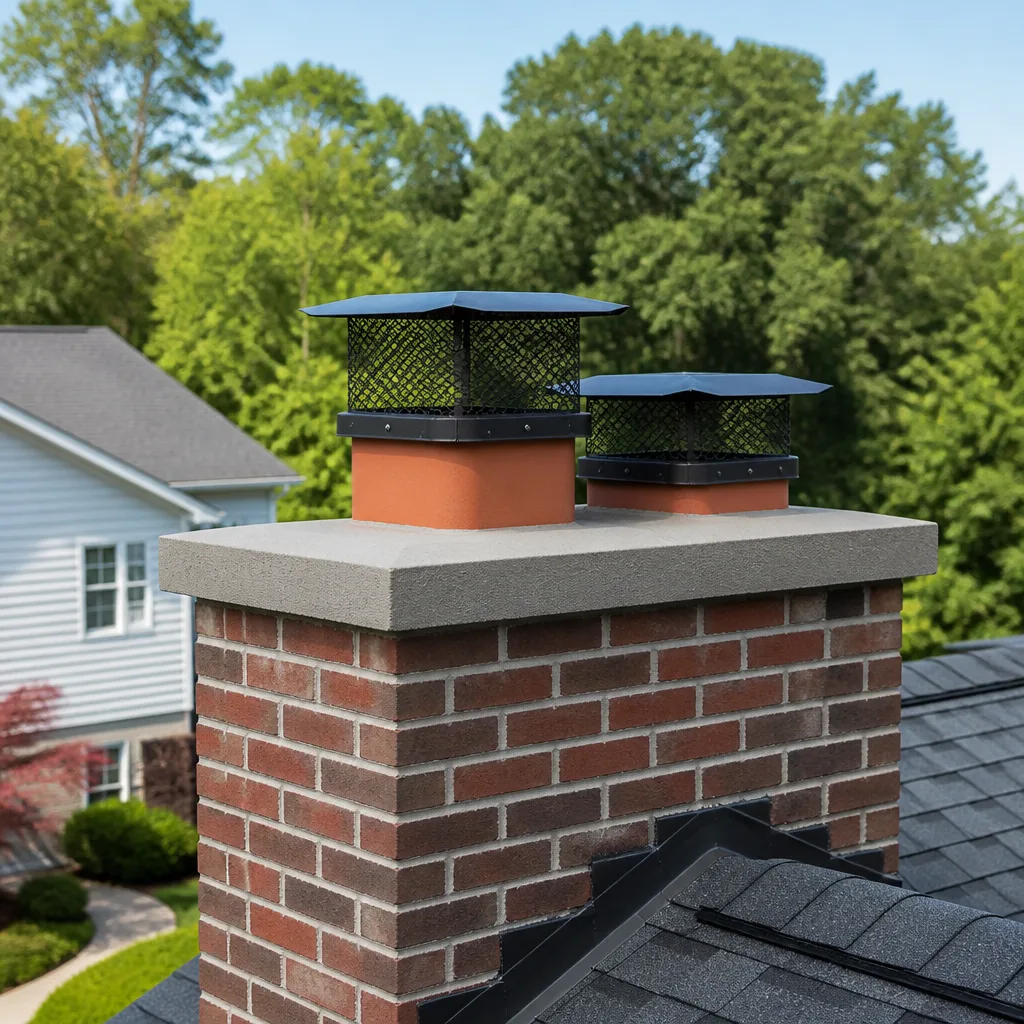 Caps & crowns
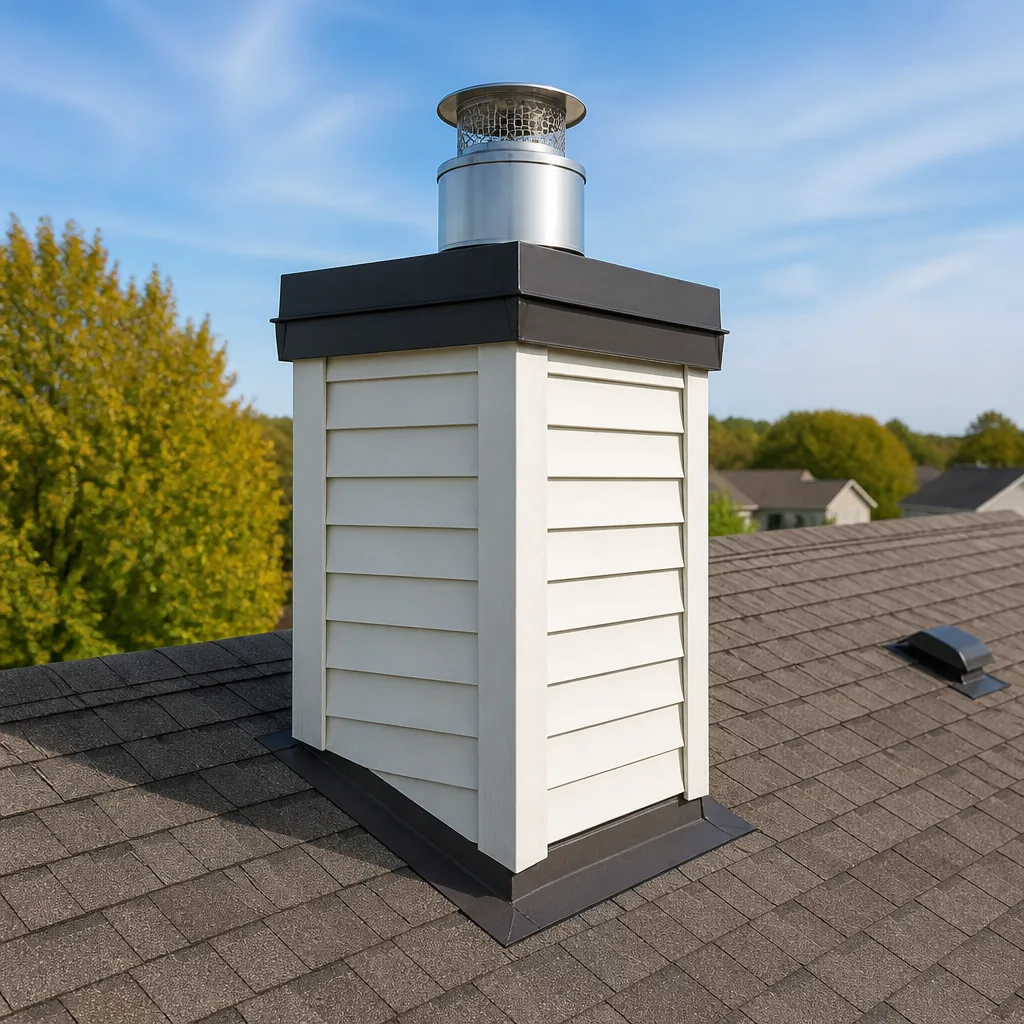 Flue relining
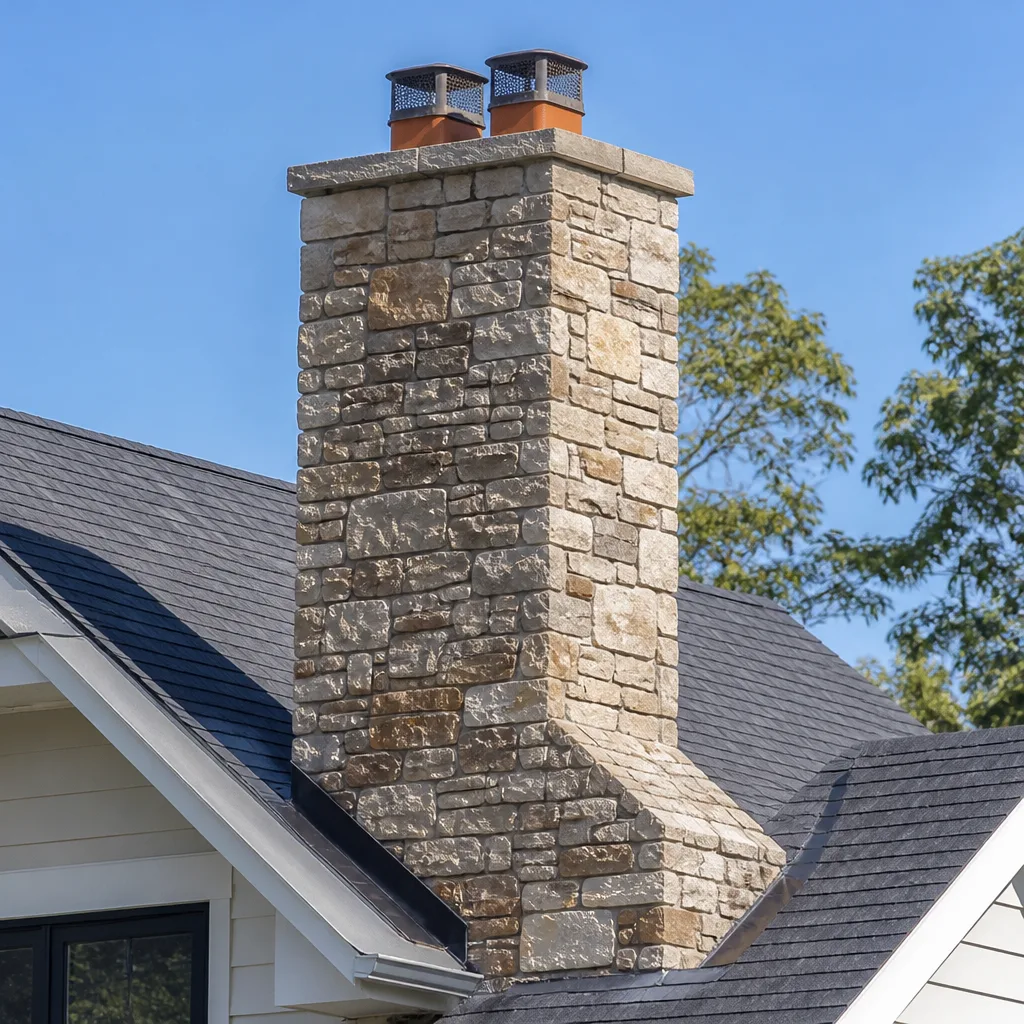 Masonry repair
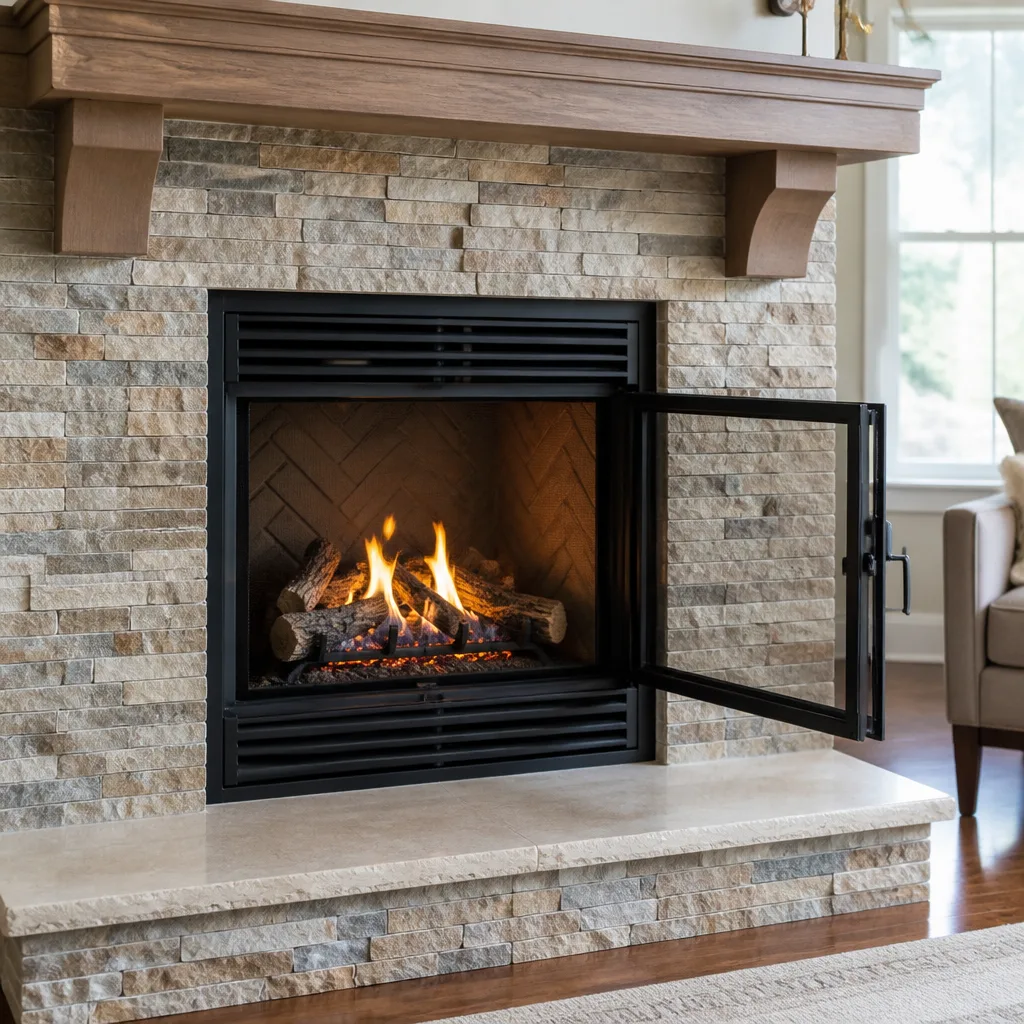 Gas fireplace service
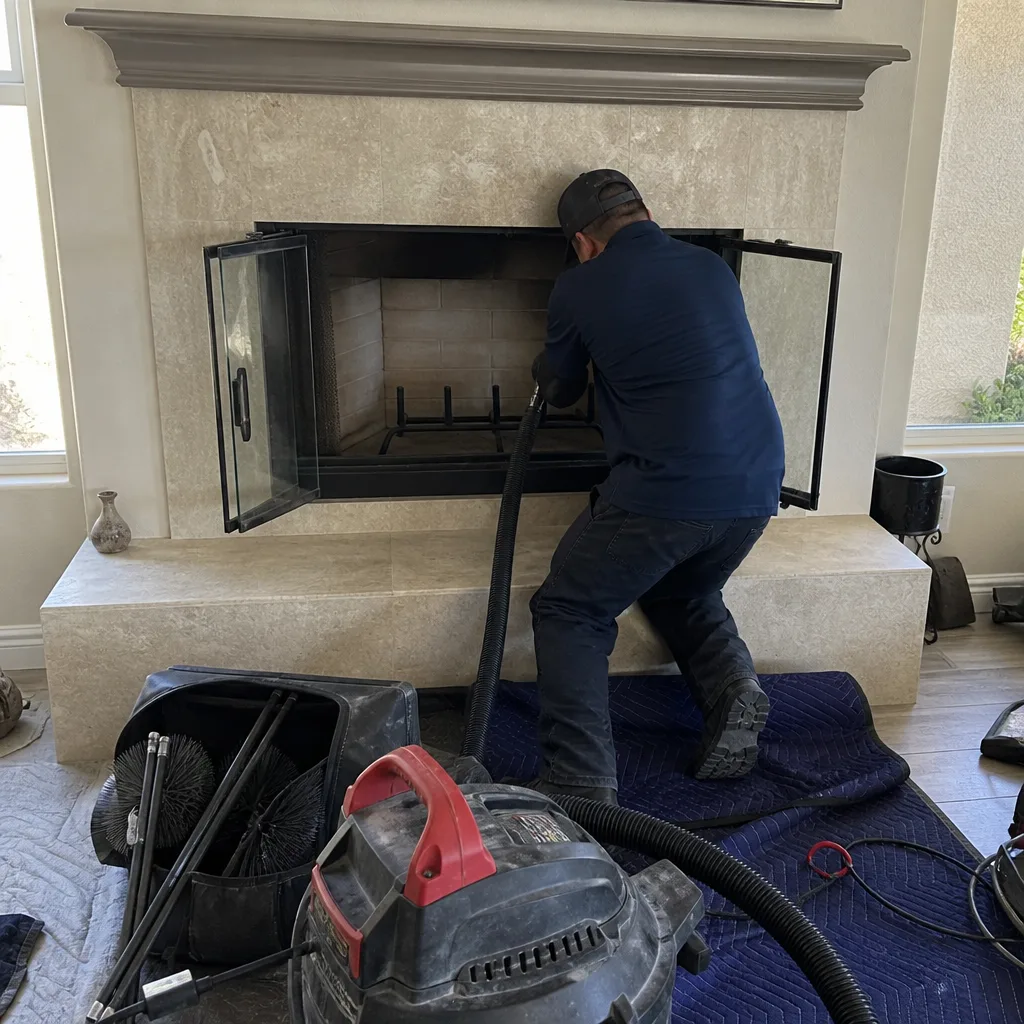
Level 1 sweep and inspection to the NFPA 211 annual standard - flue, crown, cap, and flashing checked and photographed
Chimney sweep logs do not sweep chimneys. They loosen some creosote - which then falls where a brush and vacuum still have to collect it.
Chimney Sweep Maintenance Checklist for Henderson Homeowners
A fireplace you barely used last winter still needs attention. In Henderson, a chimney that sat closed from March through October has been baking in 110-degree heat, potentially hosting nesting animals, and collecting wind-blown sediment through micro-gaps you can’t see from the firebox. This guide walks you through a three-tier maintenance checklist built specifically for Henderson’s climate: what you can check monthly by eye, what to prep before burning season, and what only a trained chimney sweep with a camera can verify. It’s the same framework Danny Cortes uses when he talks Henderson homeowners through their first inspection, and it will help you understand what’s normal, what’s not, and when a chimney can safely wait.
Styles & brands we work with
Quick Answer
A Henderson homeowner should inspect their chimney visually once a month, complete a pre-season prep checklist before the first fire, and have a professional sweep and Level 1 or Level 2 inspection performed at least once every 12 months. For details on each step, see our Complete Guide to Chimney Cleaning in Henderson. The dormant period from March through October is when most Henderson chimney problems silently begin, so the checks you do before burning season matter more than anything you do during it.
Table of Contents
- Tier 1: Monthly Visual Checks Any Henderson Homeowner Can Do
- Tier 2: Pre-Season Owner Prep Before the First Fire
- Tier 3: Technician-Only Inspection Items and Why They’re Separate
- What Henderson Wind Events Do to Chimneys (And What to Check After)
- Documenting Your Chimney Year Over Year: The Phone Photo Baseline
- Off-Season Damage Signals: Firebox Floor and Damper Clues
- The One Question to Ask Your Technician Every Visit
- Common Mistakes to Avoid
- When to Call a Professional
- Frequently Asked Questions
- The Bottom Line
Tier 1: Monthly Visual Checks Any Henderson Homeowner Can Do
You don’t need tools or training to catch the early signs of trouble. You need a flashlight, two minutes, and a habit. This tier is about noticing change. A chimney that looks the same month after month is a healthy chimney. A chimney that suddenly looks different, even in a small way, is telling you something.
Here’s what to look for every month, year-round, even when the fireplace is dormant:
- Shine a light up the firebox from below. You’re looking for debris sitting on the smoke shelf, patches of dark staining that weren’t there before, or any glint of moisture. In Henderson’s dry climate, visible moisture inside a firebox is unusual and worth a call.
- Check the damper plate for rust. A damper that’s hard to open or close, or that shows rust bloom around its edges, is often the first sign that water is getting past the cap or through a cracked crown. Henderson gets brief but intense monsoon rains in July and August, and a damaged crown will show rust here first.
- Look at the firebox floor for fallen material. Small flakes of terracotta, sandy grit, or mortar crumbs sitting on the firebox floor mean something above is degrading. In older Henderson homes along Water Street or in the Pittman area, original clay tile liners from the 1970s and 1980s commonly start to shed like this.
- Walk outside and look at the top of the chimney. You’re checking whether the cap is still seated straight, whether the crown looks intact from below, and whether any shroud or spark arrestor screen appears bent. High winds in Henderson’s open neighborhoods, especially Green Valley Ranch and Anthem, catch caps and screens hard.
This monthly check is not a substitute for a professional scan, and it’s not meant to be. It’s a baseline so you can tell a technician, “This is new since last month,” instead of “I’m not sure how long that’s been there.” That sentence changes how fast a technician can zero in on the problem.
Tier 2: Pre-Season Owner Prep Before the First Fire
Burning season in Henderson typically starts in late October or early November, when nighttime temperatures finally drop into the 40s. The prep below should be done at least two weeks before you plan to light the first fire. This gives you time to schedule a sweep if anything looks off.
- Test the damper’s full range of motion. Open it fully, then close it. It should move smoothly without grinding. If it sticks, binds, or makes a scraping sound, do not force it. A damper that sticks can snap a cable or rod, and the repair is more expensive than the adjustment.
- Remove any unburned logs from the last fire of the previous season. Charred wood left sitting in the firebox through a Henderson summer absorbs humidity from the occasional storm, which accelerates acidic creosote breakdown against masonry. Take it out and store it somewhere dry.
- Check for signs of animal entry. Look for twigs, grass, droppings, or nesting material visible from the firebox or around the cap. Birds commonly build in Henderson chimneys between March and May. Blocked flues from nesting are a leading cause of smoke backup on first fire night.
- Vacuum the firebox with a shop vac. Remove loose ash, dirt, and debris. This gives you a clean slate so you can clearly see any new material that falls from above over the season.
- Schedule your annual sweep. If it’s been more than 12 months since your last Chimney Sweep in Henderson, book it now, not after the first cold snap when schedules fill up across the valley. Most standard Henderson sweeps run between $180 and $340 depending on flue type and condition.
Doing this prep yourself doesn’t replace a professional inspection. It reduces the chance that your first fire of the season becomes a smoke event, and it gives your technician better information to work with when they arrive.
Tier 3: Technician-Only Inspection Items and Why They’re Separate
Some things cannot be seen from the ground, from the firebox, or with the naked eye. That’s not a matter of homeowner effort. It’s a matter of geometry and access. This tier exists because the chimney system has blind zones: the flue interior above the smoke shelf, the crown’s top surface, the cap-to-flue connection, and the gap between clay tiles inside an older masonry chase.
These are the items only a technician with the right access and tools can verify:
- Flue interior wall condition. A camera scan shows cracked clay tiles, spalling brick, gaps between liner sections, and creosote glaze that a visual check from below cannot reveal. In Henderson’s older neighborhoods like Old Henderson and Greenway, clay tile liners are common and commonly cracked after decades of thermal cycling.
- Crown surface integrity. The crown is the concrete slab that seals the top of the chimney chase. Hairline cracks are invisible from the ground but open during Henderson’s freeze-thaw cycles in winter, then widen through summer thermal expansion. A technician can assess whether a crown repair or seal is warranted.
- Clearance-to-combustibles in the attic. In many Henderson homes built in the 1990s and 2000s, framing in the attic runs close to the chimney chase. A technician can verify that combustible materials aren’t within code-required clearances, which is not something you can see from inside the house.
- Cap and spark arrestor attachment. Caps that looked fine from the ground can be loose at the connection point, held by one remaining fastener. A loose cap clatters in the wind, shifts over time, and eventually comes off entirely.
If you want a full structural evaluation, ask for a Chimney Inspection in Henderson that includes camera documentation. Our techs bring a photo report so you’re never taking someone’s word that work is needed. You see the same images they do.
What Henderson Wind Events Do to Chimneys (And What to Check After)
Henderson sits downwind of some of the most sustained dust and gust systems in the Las Vegas Valley. Haboobs and high-wind events roll through regularly, especially in the spring and during monsoon season. The damage they cause to chimneys is mechanical and slow: wind catches the cap edge, works it loose over hours of sustained gusting, and carries fine sediment into every gap and seam.
After any significant wind event, Henderson homeowners should check four specific things:
- Cap position and angle. Walk to a spot where you can see the top of the chimney clearly. The cap should sit level. If it’s tilted even slightly, the wind has been working on it.
- Crown surface for new debris. Haboobs deposit a layer of dust and grit on top of the chimney. Most of it blows away. Some of it funnels into the flue if the cap screen is damaged. Fine sediment sitting on the smoke shelf is the tell.
- Flashing around the roofline. Uplift from sustained wind can curl flashing corners where the chimney meets the roof. This is one of the most common sources of slow water intrusion in Henderson, and the leak often shows as a stain on the ceiling near the fireplace rather than at the chimney itself.
- Interior dust deposit rate. If you notice fine dust accumulating inside the firebox faster than usual after a wind event, your flue may be pulling air and sediment through a gap. This is worth mentioning when you call a sweep.
One habit that helps: after any wind event strong enough to rattle windows, take a quick phone photo of your chimney cap and crown area. Compare it to the last photo. Change over months is easier to spot than change in the moment.
Documenting Your Chimney Year Over Year: The Phone Photo Baseline
The best diagnostic tool you have is consistency. Chimney problems develop slowly. The crack that’s alarming today may have been a hairline you could have spotted six months ago if you’d had a clean photo to compare. Most Henderson homeowners never establish a baseline, so when something looks off, they can’t tell whether it’s new or whether they’ve just never noticed it.
Here’s a simple system that takes about five minutes twice a year:
- Take three photos from the ground outside. One straight-on view of the chimney, one 45-degree angle showing the cap profile, and one close-up of the area where the chimney meets the roofline.
- Take two photos from inside. One looking straight up from the firebox floor, and one showing the damper in the open position.
- Save them in a dedicated folder with dates. Nothing fancy, no app needed. Name the files “Chimney_Year_Month” so they sort in order.
- Repeat every spring and every fall. The goal is a rolling record of what your chimney looks like at its seasonal extremes: after the dormant summer and after a winter of burns.
When a technician comes out, show them the folder if anything has changed. The before photo gives them information that would otherwise take a forensic guess. In our experience, homeowners who keep photo baselines catch small problems a season or two earlier than homeowners who don’t, and small problems are the ones that cost hundreds to fix instead of thousands.
Off-Season Damage Signals: Firebox Floor and Damper Clues
Henderson’s dormant season is harder on chimneys than most people realize. A chimney that sits closed from March through October isn’t resting. It’s being subjected to daily thermal expansion and contraction as the exterior masonry heats to well over 120 degrees in direct sun and then cools sharply at night. That cycle, repeated 200 times per season, opens hairline gaps that didn’t exist before.
The two places those gaps show up first are the firebox floor and the damper assembly:
- Firebox floor: gritty material that appeared during summer. If you swept the firebox clean in March and find sand, mortar crumbs, or small clay fragments in October, something above has been slowly coming apart for months. In Henderson’s Green Valley and MacDonald Ranch areas, we regularly see this from aging clay tile liners in homes built before 1990.
- Firebox floor: efflorescence. This is the white, chalky residue that appears on masonry surfaces when water has moved through them. In Henderson’s dry air, efflorescence on the firebox floor almost always means water is entering from above, usually through a cracked crown or failed flashing. It dries quickly, but the residue remains.
- Damper: stiffness in fall. If the damper opened and closed easily in March and feels stiff or gritty in October, rust or debris is binding the mechanism. Don’t force it. A damper that gives resistance is often corroding internally, and forcing it risks snapping the control cable.
- Damper: rust flakes on the handle or plate. This means condensation formed repeatedly during the off-season. In Henderson, that condensation is typically from monsoon moisture meeting a still-cool flue interior. The rust itself is minor. The water entry point it points to can be anything but minor.
If you see any of these four signals during your pre-season prep, call a chimney professional before you light the first fire. These are not cosmetic issues. Each one indicates a failure in the system’s moisture defense, and fireplaces are not designed to tolerate ongoing moisture exposure.
The One Question to Ask Your Technician Every Visit
Every chimney technician who visits your Henderson home should be able to answer one question in plain, direct language: “Is this chimney safe to light right now, and what exactly would you fix before burning season if it were your home?”
That second half matters. It forces the technician to distinguish between “this meets minimum safety standards” and “this is what I would do if my family were living here.” A good technician will give you an honest, specific answer without pressure. If someone hedges, deflects, or immediately pivots to a high-dollar liner quote without explaining what they saw, that’s a signal to get a second opinion.
At Kindling Chimney Henderson, Danny Cortes trains every technician to answer this question with specifics: what we saw on the camera, what the risk level is right now, what can safely wait, and what cannot. You get that answer in plain language before any work is recommended. That’s not a sales pitch. It’s the standard for what a Kindling Chimney Henderson home visit should feel like.
Common Mistakes to Avoid
- Skipping the annual sweep because you didn’t burn many fires. Creosote isn’t the only thing a sweep addresses. Animals, sediment, and degraded liner material accumulate whether you burn or not, and in Henderson the wind brings in more debris than a typical fireplace in a wetter climate would see.
- Lighting the first fire before doing any visual check. If a bird nested in your flue in May, your October fire will force smoke and nesting material into the house. A two-minute check prevents a bad evening.
- Ignoring a damper that’s hard to move. Many homeowners assume a stiff damper is normal or seasonal. It’s often rust, and forcing it breaks the control mechanism, turning a small repair into a replacement.
- Assuming a cap from the builder is still doing its job. Original caps on Henderson homes from the 1990s and early 2000s are often dented, rusted at the seams, or completely gone. A missing cap isn’t always obvious from the ground.
- Trusting a verbal “everything looks fine” without documentation. If a technician won’t show you what they saw, you’re taking a stranger’s word about the condition of a fire-breathing system in your home. Ask for photos, or work with a company that includes them automatically.
- Delaying a crown or flashing repair during the dry season. Henderson’s dry months are the ideal time to make masonry repairs because materials cure properly. Waiting until winter means working between rain events and cold-curing conditions.
When to Call a Professional
Call a chimney professional when you see any off-season damage signal, when you hear animal sounds from the chimney, when smoke backs up into the room, when you notice a water stain on the ceiling near the fireplace, or when you’ve simply passed 12 months without a Fireplace Repair in Henderson or sweep. If you’re hiring someone for the first time, ask whether they use camera documentation, whether they give a written price before work begins, and whether they’ll show you the clean-up before they leave. Kindling Chimney Henderson offers free estimates in Henderson with clear, upfront pricing before any work starts, and every job is backed by the 365-Day Done Right Promise. Call (775) 485-5516.
Frequently Asked Questions
A standard chimney sweep in Henderson typically costs between $180 and $340, depending on the flue type, accessibility, and condition. The final price depends on whether the chimney requires a simple sweep or a more involved cleaning with a camera inspection. Most Henderson homeowners can expect a written quote before any work begins, so there’s no surprise at the door. Call (775) 485-5516 for an exact quote – estimates are free.
Most standard sweeps in Henderson take between 60 and 90 minutes, which includes moving furniture protection, the sweep itself, and a post-sweep clean-up. If a Chimney Inspection in Henderson or repair is requested, the visit will run longer, often 2 to 3 hours depending on what’s found.
Yes, a sweep is still necessary at least annually because the dormant period in Henderson introduces hazards that have nothing to do with creosote. Birds, rodents, wind-blown debris, and degraded liner fragments accumulate in a chimney whether or not you burn. The sweep clears all of it and gives a technician the chance to spot off-season damage before you light the first fire.
Most Henderson homes should receive a Level 1 chimney inspection with every annual sweep, and a Level 2 inspection if the home is newly purchased, if the chimney has been through a severe weather event, or if you’ve made changes to your appliance. A Level 1 is a visual check of the accessible areas. A Level 2 adds a camera scan of the flue interior, which is the only way to see the blind zones in a Henderson chimney.
Ask to see the camera footage. A legitimate liner recommendation is based on visible cracks, gaps, or spalling in the existing liner, and the technician should be able to show you those defects in the photos or live camera feed. If a technician won’t show you evidence, get a second opinion before authorizing chimney work. At Kindling Chimney Henderson, we provide a photo report on every inspection so you can see exactly what we’re seeing.
While some homeowners attempt a basic firebox cleanout with a shop vac, a proper flue sweep requires tools and access that most homeowners don’t have, and more importantly, it requires knowing what to look for once the flue is clean. See our breakdown of DIY vs Professional Chimney Cleaning for Henderson homeowners. A professional sweep includes a safety assessment of the entire system, from the cap to the firebox, which is where actual chimney problems are found. Henderson’s wind-blown debris and off-season animal activity make an annual professional check even more important here than in milder climates.
A sweep removes built-up creosote, debris, and obstructions from the flue so the chimney can vent properly. An inspection evaluates the condition of the entire chimney system, including the liner, crown, cap, flashing, and damper, to determine whether the structure is safe to use. Most good Henderson chimney companies perform both together because the sweep gives the technician access to the flue interior that makes the inspection accurate.
The Bottom Line
A chimney in Henderson needs a different maintenance rhythm than a chimney in a wetter, colder climate. The dormant season here is not downtime; it’s when the heat, wind, and animals do their damage, and the checks you make before burning season are the ones that catch it. Do your monthly visual checks, complete your pre-season prep list, keep a photo baseline, and schedule an annual professional sweep with camera documentation. If you find something unusual or just want a seasoned set of eyes on your system before the first fire, Kindling Chimney Henderson is ready to help with a written price, a clean home guarantee, and a live conversation with someone who can answer your questions about what’s really going on up there. Call (775) 485-5516.
Written by Danny Cortes, Owner at Kindling Chimney Henderson, serving Henderson since 2003. Explore more guides & resources on our blog.
See the difference
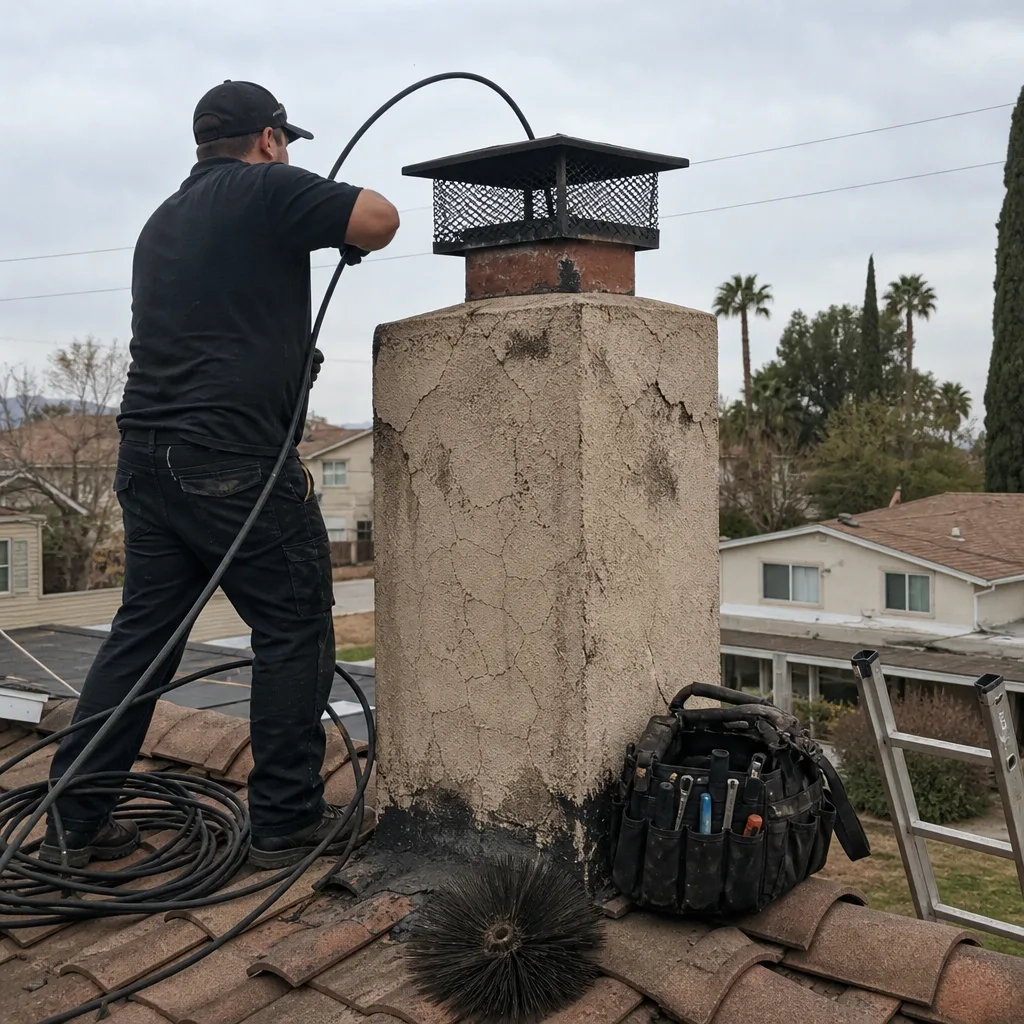 Before
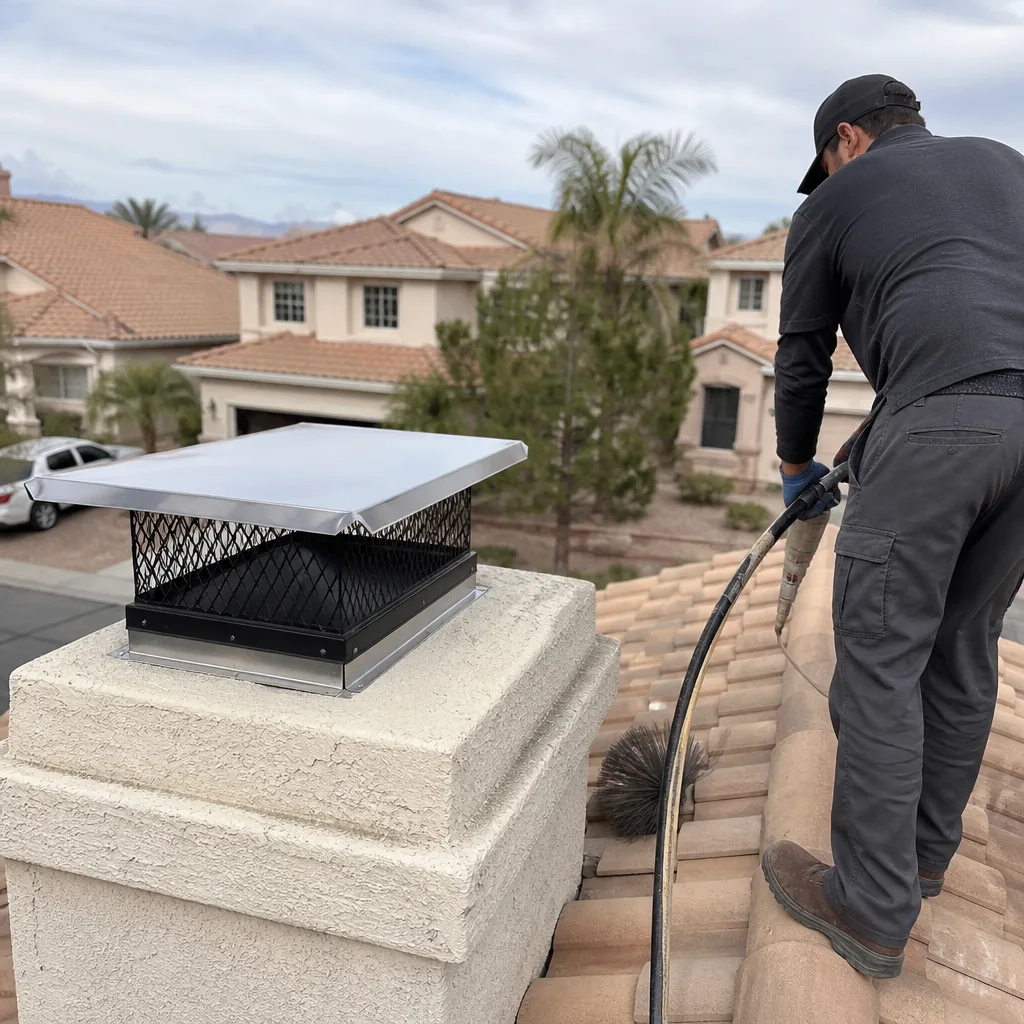 After
After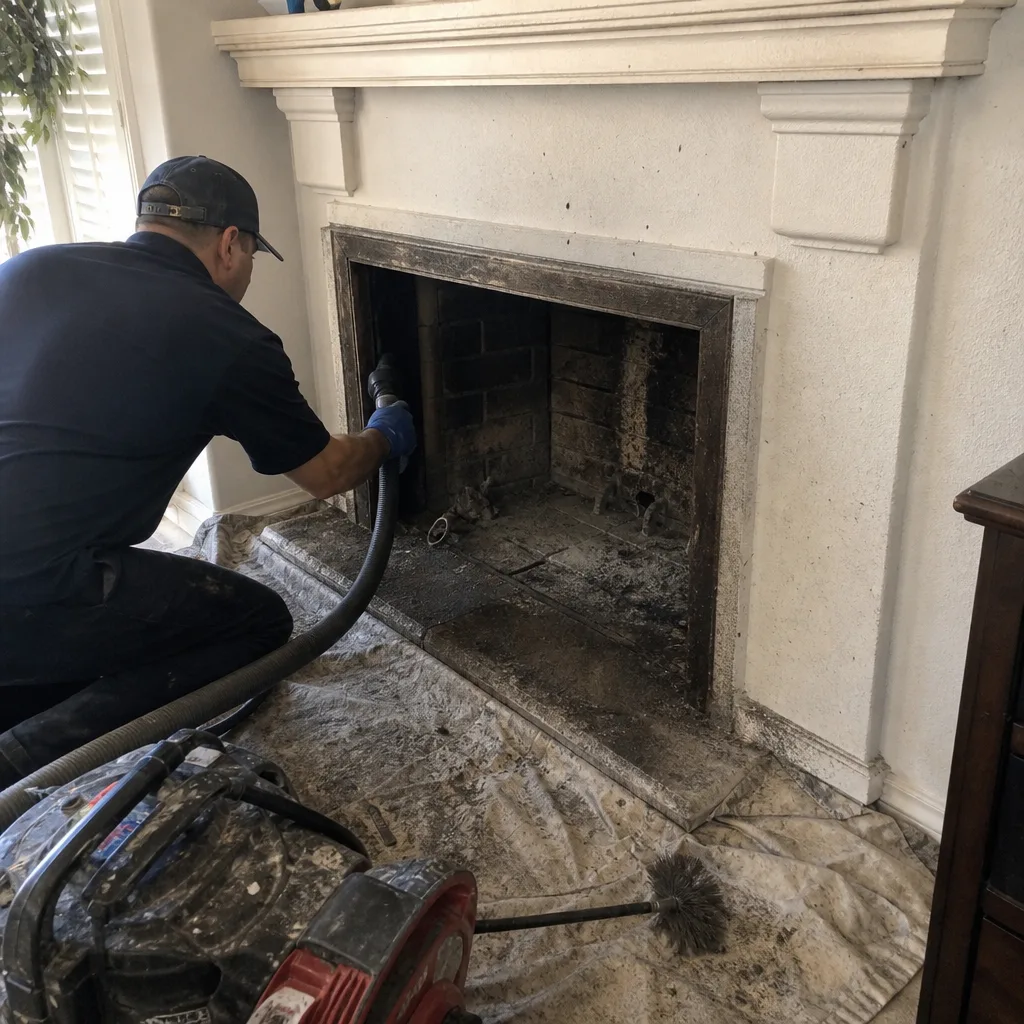 Before
 After
After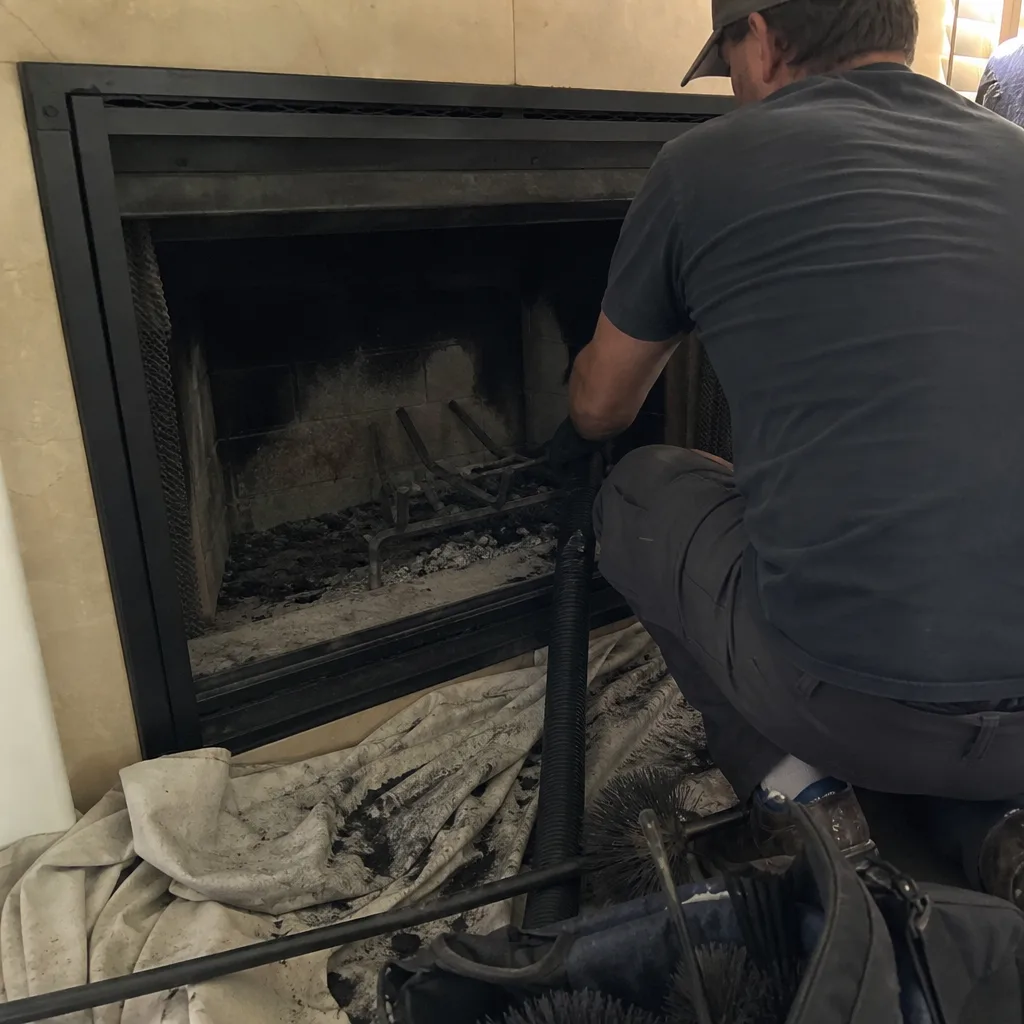 Before
 After
After